
Atopic Dermatitis
Learn how immune dysfunction is part of the cause behind the most common type of eczema—atopic dermatitis.
On This Page:
Overview
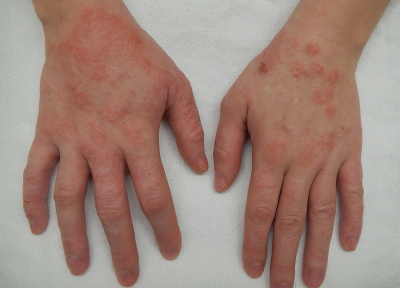
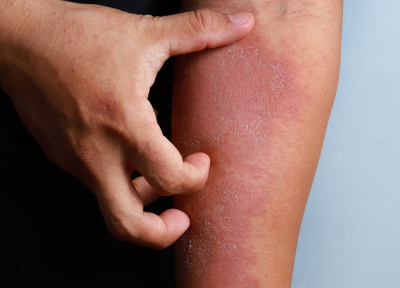
Atopic dermatitis, the most common type of eczema, is a long-term skin disease that causes dry, itchy, and inflamed patches of skin. It usually begins in childhood and can continue into adulthood. It is not uncommon for atopic dermatitis to flare (get worse) in waves. While there is no single cause of atopic dermatitis, the immune system is a major driver. Immune cells and signaling molecules contribute to a dysregulated immune response that drives inflammation, itching, and skin barrier dysfunction. Researching the immune cells and signals involved in atopic dermatitis can lead to improved treatments.
Key Points
- Atopic dermatitis is the most common type of eczema.
- Atopic dermatitis is associated with both skin barrier dysfunction and an overactive immune response, leading to dry, itchy, inflamed skin.
- Immunology research on the immune cells and signals that contribute to atopic dermatitis can lead to improved treatments.
Key Statistics (U.S.)
What is the Immune System’s Role in Atopic Dermatitis?
The skin is one of the body’s most important barriers against the outside world. As part of the innate immune system, the skin and the immune cells that reside in it keep harmful pathogens, allergens, irritants, and other harmful substances from entering the body.
In atopic dermatitis, the skin barrier is damaged, which allows these substances to reach deeper layers of the skin more easily. As a result, the immune system becomes more reactive to substances that would normally be harmless, including allergens, irritants, and microbes that cross the weakened skin barrier. This heightened immune activation contributes to persistent inflamed and itchy skin patches. Some memory immune cells can persist in the skin and may contribute to recurring inflammation and flares.
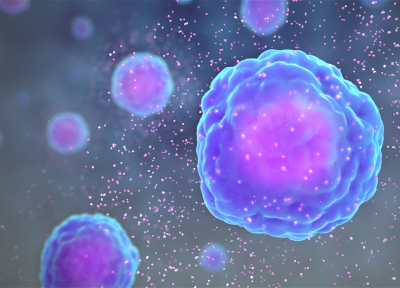
Skin cells called keratinocytes are often the first to sound the alarm when the skin barrier is damaged. They release signaling molecules, like TSLP (thymic stromal lymphopoietin) that alert the immune system that something is wrong and trigger a broader inflammatory response. Many immune cells come to the affected area in response to the signals, leading to inflammation and itching.
How Do Cytokines Contribute to Atopic Dermatitis?
Cytokines are signaling molecules that immune cells use to communicate with one another. Some cytokines increase inflammation, while others help regulate or reduce it. Two cytokines called IL-4 and IL-13 are key drivers of inflammation in atopic dermatitis. They stimulate allergic immune responses and, importantly, suppress the production of essential skin-barrier proteins, making it easier for irritants and allergens to enter the skin and trigger further inflammation.
Other cytokines contribute to specific symptoms of atopic dermatitis. For example, IL-31 is strongly linked to itching and is thought to interact with nerve fibers in the skin, helping explain why itch can be so intense in atopic dermatitis. Skin cells can also release cytokines such as TSLP, IL-25, and IL-33, which act as early warning signals and amplify the immune response. As the disease continues, additional cytokines and immune cell populations may become involved, creating a cycle of inflammation, skin barrier damage, and itching that can be difficult to break.
How Can Immunology Research Impact Atopic Dermatitis?
Understanding the immune system’s role in atopic dermatitis can lead to improved treatments for patients. Researchers can identify which signals make atopic dermatitis worse and design treatments that block or interrupt these signals, which may help reduce symptoms, improve quality of life, and decrease flares. Some of the targets currently being studied for new atopic dermatitis treatments include:
Many children with atopic dermatitis also develop other allergic conditions, such as food allergies, asthma, or allergic rhinitis. Understanding these connections may help improve care for patients beyond just atopic dermatitis.
Downloads
Sources
- Eczema Facts, National Eczema Association
- Update on Pathogenesis of Atopic Dermatitis, Brazilian Society of Dermatology
Related Topics
External Resources
Latest News
Featured Videos