Inflammation
Explore the role of inflammation in fighting disease and healing from injury.
On This Page:
Overview
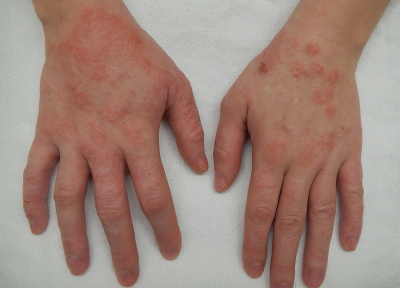
Inflammation is your immune system’s normal response to injury or foreign invaders, like viruses or bacteria. Symptoms of inflammation, like flushed skin, swelling, pain or tenderness, and fever, are signs that the body’s immune system has been activated in response to a threat or injury. They occur because immune cells are moving through the body and responding to a threat. Normally, the signals that cause inflammation turn off once the threat is eliminated. However, inflammation that continues when there is no threat, called chronic inflammation, can cause problems. While there are some lifestyle changes that can help reduce inflammation, there is no single supplement or combination of foods to eliminate inflammation.
Key Points
- Acute inflammation is short-lived and part of the body’s natural response to injury and foreign invaders.
- Chronic inflammation continues even when no threat is present and can contribute to a range of health conditions.
- There is no supplement that can fully eliminate inflammation. Healthy lifestyle habits can help reduce chronic inflammation and support immune health.
What Causes Inflammation?
Inflammation begins when the immune system detects something that triggers a response. This might be a virus, a bacterium, damaged tissue from an injury, or even allergens. Cells of the innate immune system respond first. These cells release chemical messengers that act like emergency alerts. These signals cause nearby blood vessels to widen and allow more immune cells to reach the affected area. This is why inflamed areas may become red, warm, swollen, or tender. The additional immune cells that arrive, go to work addressing the threat, until eventually the response is complete.
Essentially, inflammation is the result of immune cells communicating with one another and acting when they sense a threat. It is an important defense mechanism in the body and helps protect from harm while supporting repair and recovery.
How do Cytokines Control Inflammation?
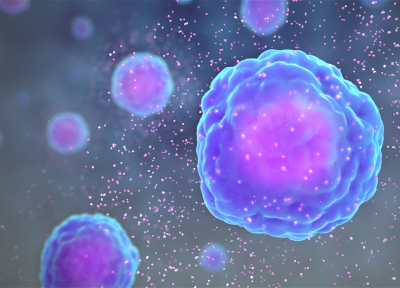
Immune signals called cytokines play a central role in controlling inflammation. Pro-inflammatory cytokines send signals that increase inflammation by recruiting immune cells to the response. Anti-inflammatory cytokines help reduce inflammation and promote healing once the threat has been addressed.. Both types of cytokines are important for a controlled and balanced immune response. If pro-inflammatory cytokine signals continue for too long, they can contribute to chronic inflammation and tissue damage.
Is Inflammation Good or Bad?
Acute inflammation is short-term and is an essential part of staying healthy. Without it, the body would struggle to fight infections, repair damaged tissues, or recover from injuries. When inflammation occurs for a short period and then resolves, it is performing as it was designed to do.
Problems can arise when inflammation becomes chronic, meaning it lasts for months or even years. In chronic inflammation, the immune system remains active even when there is no immediate threat. Over time, this ongoing response can affect healthy tissues and contribute to a range of health conditions. Researchers have linked chronic inflammation to diseases such as heart disease, type 2 diabetes, arthritis, and some autoimmune disorders. While inflammation itself is a protective process, keeping it switched on for too long can place stress on the body and interfere with normal function.
How to Reduce Inflammation
The goal should not be to eliminate inflammation completely, but to support the body’s ability to regulate it appropriately. A healthy immune system knows when to respond and, just as importantly, when to stand down. No single supplement, food, or lifestyle change can eliminate inflammation. Research suggests that all together regular exercise, good sleep, stress management, and a diet rich in fruits, vegetables, whole grains, nuts, and healthy fats can support healthy immune regulation and may help reduce chronic inflammation. People with chronic inflammatory conditions should talk to a doctor or visit a local health clinic to get personal guidance on how to manage inflammation.
Sources
- Jain, A., Marshall, J., Buikema, A., Bancroft, T., Kelly, J. P., & Newschaffer, C. J. (2015). Autism Occurrence by MMR Vaccine Status Among US Children With Older Siblings With and Without Autism. JAMA, 313(15), 1534. https://doi.org/10.1001/jama.2015.3077
- Taylor, B., Miller, E., Farrington, Cp., Petropoulos, M.-C., Favot-Mayaud, I., Li, J., & Waight, P. A. (1999). Autism and measles, mumps, and rubella vaccine: no epidemiological evidence for a causal association. The Lancet, 353(9169), 2026–2029. https://doi.org/10.1016/s0140-6736(99)01239-8
- Madsen, K. M., Hviid, A., Vestergaard, M., Schendel, D., Wohlfahrt, J., Thorsen, P., Olsen, J., & Melbye, M. (2002). A Population-Based Study of Measles, Mumps, and Rubella Vaccination and Autism. New England Journal of Medicine, 347(19), 1477–1482. https://doi.org/10.1056/nejmoa021134
Related Topics
Downloads
External Resources
Latest News