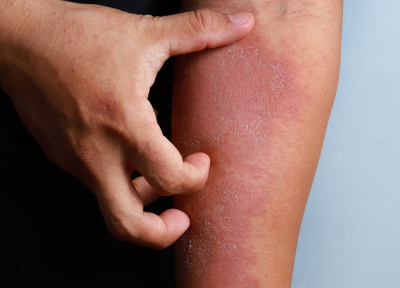
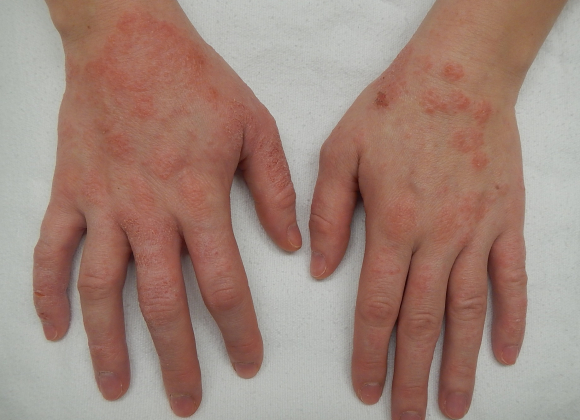
Atopic Dermatitis (AD), the most common type of eczema, affects 20% of children and 10% of adults. Although clinical presentation varies depending on skin type, symptoms include, dry, discolored, cracked, itchy, and painful patches of skin.
Immune dysregulation along with a disrupted skin barrier are key drivers of AD. As researchers continue to study AD, a protein involved in immune and inflammatory responses called interleukin-1 receptor-associated kinase 4 (IRAK4), has emerged as a promising target for new therapies aimed at reducing inflammation and improving symptoms.
How Does the Immune System Drive Inflammation?
Inflammation is your body’s defense mechanism against harmful stimuli like pathogens, damaged cells, and other potential threats. However, when inflammatory responses become overactive or respond inappropriately, inflammation can cause disease, including AD. To better understand why IRAK4 matters, it helps to understand the two main branches of the immune system.
The immune system is made up of two parts: the innate and adaptive immune systems. The innate immune system serves as the body’s first line of defense, acting quickly to deal with threats. It uses immune cells such as macrophages, dendritic cells, and natural killer cells to respond to potential threats.
Adaptive immunity is more specialized, involving lymphocytes, such as B and T cells, that recognize specific targets, like a part of a pathogen. Under normal conditions, the innate and adaptive immune system work together to coordinate responses against threats. In AD, these normally protective immune responses can become overactive, contributing to ongoing inflammation in the skin.
What is IRAK4?
IRAK4 is a key signaling protein that helps the immune system mount a rapid response when it detects infection or tissue damage. It relays danger signals that trigger the production of inflammatory signals and other immune responses. IRAK4 acts like one of the immune system’s early warning switches. When activated, it helps trigger a cascade of inflammatory signals. Excessive or abnormal IRAK4 signaling can contribute to chronic inflammation and dysregulated immunity.
How does IRAK4 Contribute to Atopic Dermatitis?
Healthy skin acts as a protective barrier between the body and the outside world. It also houses beneficial microbes that make up the skin microbiome. The weakened skin barrier in AD allows allergens, irritants, microorganisms, and other environmental triggers to penetrate deeper into the skin and trigger immune responses. Repeated exposure to these triggers can lead to prolonged activation of the immune system, contributing to the persistent skin inflammation that characterizes AD.
Because IRAK4 sits near the beginning of several inflammatory pathways, repeated activation of IRAK4 can amplify inflammation in the skin. This may contribute to the redness and/or discoloration, itching, and irritation experienced by people with AD. This relationship makes IRAK4 a potential therapeutic target for managing and treating AD.
How Could TARGETING IRAK4 Treat Atopic Dermatitis?
Scientists have been studying IRAK4 as a potential therapeutic target due to its significant role in regulating inflammatory responses. In AD, targeting IRAK4 could be helpful because it because it sits near the beginning of several inflammatory pathways. By interrupting these pathways at an earlier point, blocking IRAK4 may reduce multiple inflammatory signals at once.
Currently, one of the main challenges of treating AD is that every patient reacts differently to each medication. However, inhibiting an early regulator of inflammation, such as IRAK4, could be a way to effectively treat a wide range of AD patients. This approach may be particularly useful for patients who do not respond to current therapies and treatments.
While more research is needed, targeting IRAK4 may offer a new way to reduce inflammation earlier in the disease process. By preventing multiple inflammatory pathways from being activated, IRAK4 inhibitors could provide another treatment option for people living with AD, particularly those who do not respond to existing therapies.
Farwa Tashin is an Undergraduate Student at Hunter College conducting research in Dr. Stephen T. Yeung’s Laboratory at Weill Cornell Medicine in New York City.
Download our Atopic Dermatitis Factsheet to learn more!