Immunological Memory
Explore the role immunological memory plays in health
On This Page:
Overview
Immunological memory is the immune system’s ability to remember foreign invaders it has seen before. This could be pathogens (sometimes referred to as “germs”), like bacteria or viruses, but also cancer cells or allergens. Memory is specific to particular antigens and is a key element of the adaptive immune system. This allows the immune system to launch a faster response the next time your body encounters an antigen and is the foundation of how vaccines work.
Key Points
- Immunological memory is your body’s way of “remembering” antigens it has seen before, so it can respond faster and more effectively the next time.
- Vaccines use immunological memory to teach your body how to fight germs without causing disease.
- Immunological memory also plays a role in allergies and autoimmune disorders.
What is Immunological Memory?
Antigens are substances that prompt the body to launch an immune response, such as a specific piece of a germ, cancer cells, or allergens. When an antigen enters your body, your immune system must learn how to fight it. That first encounter can take time, which is why you might feel sick while your body fights the germ, or not have an allergic reaction the first time you are exposed to an allergen. However, as your body learns to effectively fight the antigen, parts of the immune system hold on to a “memory” of the invader. It is like saving a reference photo and notes for the future.
If the same antigen enters the body again, your immune system can quickly identify it and launch a stronger, faster defense. In many cases, this rapid response stops the infection before you even notice it. This is also why allergic responses can be stronger after the second exposure.
How does the Immune System build Memory?
Immunological memory is built during and after an infection or antigen exposure. When a new antigen enters the body, specialized immune cells—like B cells and T cells—are activated. At first, they are “naïve,” meaning they have not yet been trained to recognize that particular threat. However, after encountering an antigen they begin to adapt. B cells learn to produce antibodies that specifically bind to the antigen to target the threat, while T cells learn to recognize and respond to infected or abnormal cells.
During this process, some of these B and T cells become highly effective fighters. The most effective cells are kept as long-lived “memory cells” in the body. These memory cells can stick around for years, waiting and ready for the return of the same antigen.
Vaccines use this same principle to train your immune system to fight and remember germs. Instead of exposing the body to an infectious germ, vaccines introduce a harmless piece or weakened version of a germ, which still contains antigens the body recognizes. This is enough to train the immune system and create memory cells without causing serious illness. As a result, your body is prepared in advance and ready to go when it encounters the germ for real.
How is Memory Used by the Immune System?
When a germ re-enters the body, immune memory allows for a much faster response. Memory B cells can rapidly produce large amounts of highly specific antibodies, while memory T cells can quickly coordinate an attack or destroy infected cells. Because the immune system doesn’t have to “start from scratch,” the response is both faster and stronger than the first time.
This rapid response often prevents the pathogen from spreading and causing noticeable symptoms. In some cases, you may not get sick at all. In others, you might experience only mild symptoms because the immune system is already a step ahead. This is one of the reasons vaccines are so effective. They prepare the immune system ahead of time rather than waiting for a natural infection.
Over time, immune memory can fade for some antigens, which is why booster vaccinations are sometimes needed. These boosters “remind” the immune system and strengthen its memory. Some germs, like the flu virus, also change frequently. While the memory may still be in the immune system, the virus has changed enough that the immune system may not fully recognize it. This is why some vaccines, like the flu shot, are recommended every year.
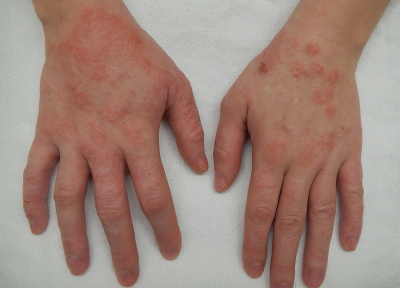
Immunological memory is also how the immune system remembers allergic responses, which occur when your immune system makes antibodies to something that is otherwise harmless. Memory also plays a role in autoimmune disorders, which occur when the immune system mistakenly identifies parts of the body, autoantigens, for attack, and remembers responses for these autoantigens.
Sources
- Jain, A., Marshall, J., Buikema, A., Bancroft, T., Kelly, J. P., & Newschaffer, C. J. (2015). Autism Occurrence by MMR Vaccine Status Among US Children With Older Siblings With and Without Autism. JAMA, 313(15), 1534. https://doi.org/10.1001/jama.2015.3077
- Taylor, B., Miller, E., Farrington, Cp., Petropoulos, M.-C., Favot-Mayaud, I., Li, J., & Waight, P. A. (1999). Autism and measles, mumps, and rubella vaccine: no epidemiological evidence for a causal association. The Lancet, 353(9169), 2026–2029. https://doi.org/10.1016/s0140-6736(99)01239-8
- Madsen, K. M., Hviid, A., Vestergaard, M., Schendel, D., Wohlfahrt, J., Thorsen, P., Olsen, J., & Melbye, M. (2002). A Population-Based Study of Measles, Mumps, and Rubella Vaccination and Autism. New England Journal of Medicine, 347(19), 1477–1482. https://doi.org/10.1056/nejmoa021134
Related Topics
Downloads
External Resources
Latest News