
What are Autoimmune Disorders?
Explore how autoimmune disorders arise when the immune system makes mistakes.
On This Page:
Overview
Your immune system is your body’s defense mechanism that helps keep you healthy. It’s designed to protect you from infections, heal from injury, and prevent cancer. Every day, it patrols your body for anything that shouldn’t be there and destroys what shouldn’t be there. When everything is working as it should, the immune system is able to determine what is foreign to the body and what is supposed to be in the body, or self. However, sometimes, the immune system can get mixed up and attack our own cells by mistake, this leads to autoimmune disorders.
Key Points
- Autoimmune disorders occur when the immune system mistakenly attacks healthy tissues and organs in your body as if they are foreign invaders.
- There are over 140 different autoimmune disorders that can affect almost any tissue or organ in your body.
Autoimmunity and the Immune System
The immune system consists of two main branches: innate and adaptive immunity. The adaptive immune system includes B and T cells that develop to recognize and fight off different viruses, bacteria, and other harmful pathogens the immune system encounters. When these immune cells fight pathogens like bacteria, they can often cause inflammation. Inflammation is a vital part of the body’s immune response that serves as a defense mechanism.
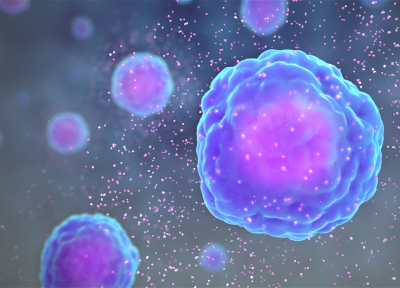
While the immune system is great at defending us from pathogens, it can sometimes get mixed up and attack our own cells by mistake. The immune cells that accidentally attack our own cells are called “‘self-reactive” cells because they react against your own body.
As the immune system makes new T and B cells, it tries to ensure that any cells that strongly react against your own cells and tissues get deleted before they can cause harm. While the immune system eliminates many self-reactive cells, it isn’t perfect, and some of these self-reactive cells slip through. Once released in the body, these self-reactive immune cells attack your own tissues, resulting in autoimmune disease. For example, in rheumatoid arthritis, self-reactive cells attack joints, as if they were harmful pathogens.
Symptoms of Autoimmune Disorders
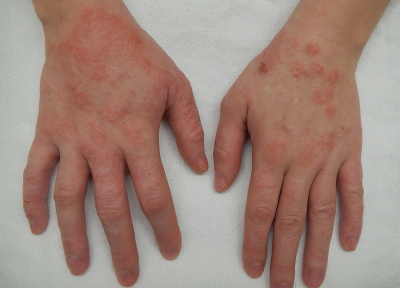
Since autoimmune disorders can affect almost any organ or any tissue of the body, they can cause many different symptoms. Symptoms for the same disorder can also vary in severity from person to person. Common symptoms may include fatigue, joint pain or swelling, skin problems, abdominal pain or digestive issues, recurring fevers, and changes in hormones. Many autoimmune disorders cause symptoms that cam and go, or recur in episodes, flares, or attacks. You know what feels normal for your body, if you feel you have unexplained symptoms or something feels different, talk to a doctor or visit a health clinic.
Common Autoimmune Disorders
There are over 80 autoimmune disorders, and it is likely researchers will uncover even with time. Below is a list of some autoimmune disorders across the body.
Autoimmune Disorder | Description |
Rheumatoid Arthritis | Rheumatoid Arthritis (RA) is a disorder where the immune system attacks your joints. This can cause redness, warmth, soreness, or stiffness in joints. |
Type 1 Diabetes | The pancreas is an organ that produces the hormone insulin to regulate blood sugar. In Type 1 Diabetes the immune system attacks insulin producing cells in the pancreas, causing an imbalance in blood sugar. |
Multiple Sclerosis | Multiple sclerosis is a neurological autoimmune disease that damages the protective coating surrounding nerves in the central nervous system. This slows the speed of messages traveling between the brain and spinal cord and the rest of the body. |
Addison’s Disease | Addison’s disease impacts the adrenal glands, which produce the hormones cortisol, aldosterone and androgen hormones. This can cause how the body uses and stores sugars, sodium loss, and/or excess potassium in the blood. |
Sjögren’s syndrome | Sjögren’s syndrome attacks the glands that provide moisture to the eyes and mouth. Primary symptoms are dry eyes and dry mouth, but it can also affect the joints, skin, or nervous system. |
Graves’ Disease | In Graves’ disease the immune system mistakenly attacks the thyroid gland, causing it to produce too much thyroid hormone, a condition known as hyperthyroidism. |
Hashimoto’s Disease | In Hashimoto’s disease the immune system mistakenly attacks the thyroid gland, causing the thyroid to be underactive, a condition caused hypothyroidism. |
Lupus | The immune system attacks healthy tissues and organs causing inflammation that can affect many parts of the body including your joints, skin, kidneys, blood cells, brain, heart and lungs. Symptoms can vary greatly person to person. |
Psoriasis | An autoimmune disorder affecting the skin that causes a rash with itchy, scaly patches, most commonly on the knees, elbows, trunk and scalp. |
Inflammatory Bowel Disease | Inflammatory bowel disease as an autoimmune disorder causes inflammation in the gastrointestinal tract and includes both Crohn’s disease and ulcerative colitis. |
Sources
- Jain, A., Marshall, J., Buikema, A., Bancroft, T., Kelly, J. P., & Newschaffer, C. J. (2015). Autism Occurrence by MMR Vaccine Status Among US Children With Older Siblings With and Without Autism. JAMA, 313(15), 1534. https://doi.org/10.1001/jama.2015.3077
- Taylor, B., Miller, E., Farrington, Cp., Petropoulos, M.-C., Favot-Mayaud, I., Li, J., & Waight, P. A. (1999). Autism and measles, mumps, and rubella vaccine: no epidemiological evidence for a causal association. The Lancet, 353(9169), 2026–2029. https://doi.org/10.1016/s0140-6736(99)01239-8
- Madsen, K. M., Hviid, A., Vestergaard, M., Schendel, D., Wohlfahrt, J., Thorsen, P., Olsen, J., & Melbye, M. (2002). A Population-Based Study of Measles, Mumps, and Rubella Vaccination and Autism. New England Journal of Medicine, 347(19), 1477–1482. https://doi.org/10.1056/nejmoa021134
Related Topics
Downloads
External Resources
Latest News

Video Library