Imagine receiving a gift so special that it could literally save your life.
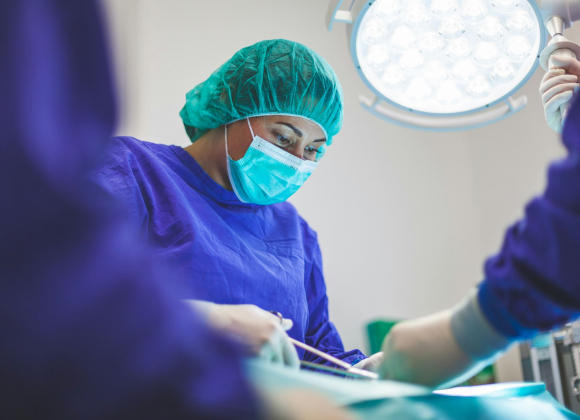
For people living with kidney, heart, liver, or lung failure, an organ transplant can be exactly that: a second chance. But a transplant is not the end of a medical journey. In many ways, it is the beginning of a new one.
How to Prevent Organ Rejection after a Transplant
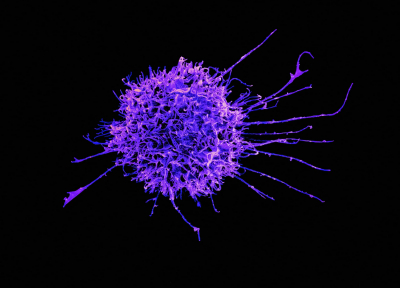
The biggest challenge starts as soon as the new organ arrives. Most transplanted organs come from another person. Even when a donor organ is a close match, the recipient’s immune system can still detect tiny biological differences—like unfamiliar molecular barcodes on the cells. Our immune system evolved to distinguish “self” from “non-self” as a way to protect us from dangerous infections, but that same ability can also cause it to recognize unfamiliar barcodes on a transplanted organ as foreign and attack it. This immune attack is called rejection, which can lead to failure of the transplanted organ.
To prevent rejection, transplant recipients must take medicines called immunosuppressants. However, there is one small catch: for most recipients, this is a lifelong prescription. Immunosppressants have transformed transplantation from an experimental procedure into routine medical care and have saved countless lives. But they come with a major downside. They often suppress the immune system broadly, not just the part driving rejection.
What is the Impact of Immunosuppressants?
As a result of immunosumpressants, patients may become more vulnerable to infections and certain cancers because the immune system plays an important role in controlling both. Patients also face long-term toxicities from the drugs themselves. These can include high blood pressure, diabetes, and, with some immunosuppressants, direct kidney damage— which is especially problematic for people who received a kidney transplant. Patients also need lifelong monitoring to make sure drug levels are not too high or too low. In other words, today’s medicines can protect the transplant—but at a steep cost.
How are Researchers Improving Organ Transplants?
This is why transplant scientists are working towards helping the immune system accept the new organ without weakening the rest of the body’s defenses or unnecessarily damaging other aspects of health.
One promising strategy involves blocking a key “go-ahead” signal. Immune cells often need more than one signal before launching a full attack. By blocking one of these activation signals, scientists can reduce rejection without broadly shutting down the immune system. Instead of using a sledgehammer, this approach works more like a pair of tweezers—directly interfering with one harmful immune conversation while leaving much of normal immunity intact. Some medicines that work this way are already available for certain transplant patients, while newer versions are now being tested in clinical trials.
Another exciting approach uses the body’s own natural “peacekeepers,” called regulatory T cells, or Tregs. In healthy individuals, Tregs help prevent the immune system from attacking the body’s own tissues. Researchers hope these same cells can be used to teach the immune system to better tolerate transplanted organs..
Researchers can now collect Tregs from a patient, grow more of them in the lab, and in some cases even train them to better recognize the transplanted organ before giving them back to the patient to help protect it. Alternatively, researchers are developing medicines that can selectively expand and activate Tregs inside a patient’s body, without the need to grow them separately in a laboratory. The hope is that these cells can calm inflammation right where it matters most.
Scientists are also designing tiny drug-carrying packages that can deliver immunosuppressants directly to the transplanted organ. If successful, this could lower the amount of drug reaching the rest of the body and reduce side effects.
What Does the Future Hold for Organ Transplants?
Looking even further ahead, researchers are exploring whether tissues or organs could someday be grown using a patient’s own cells. That idea is still in development, but it points to a future where the problem of immune mismatch could become obsolete.
Why does all of this matter? Because we are redefining what success in transplantation looks like by developing better and safer anti-rejection medication. For a child, that could mean fewer dangerous infections and more normal days at school. For an adult, it could mean keeping a transplanted kidney healthy for decades and avoiding the fear of needing another transplant. The future of transplantation is no longer just about stopping rejection at any cost. It is about teaching the immune system when to fight, when to tolerate, and how to protect a life-saving organ and the person who depends on it.
Dr. Choi is an Associate Medical Director at Vertex Pharmaceuticals. He is also a transplant nephrologist at Brigham and Women’s Hospital, where his research interests have focused on developing safer and more tolerable transplant therapies.