
As many parents know, feeding a picky toddler can be a challenging task. Tears, tantrums and messes are par for the course. Over the past decades, immunologists working to understand the immune system have found themselves facing a similar situation. As it turns out, the cells that make up our immune system can be just as stubborn as the average 2-year-old when it comes to what food they will accept.
How the Immune System Protects Us
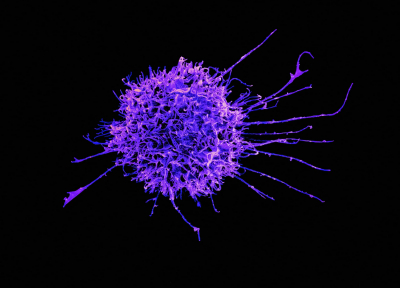
Our immune system interacts with nearly every process in our bodies. Immune cells not only protect us from danger, but they are also responsible for maintaining health. For example, highly trained cells called macrophages reside in each one of our tissues, where they become specialists at removing dead cells and making space for new ones. However, when danger is detected, like a wound, infection, or a growing tumor, immune cells are recruited in large numbers to the site of the problem. There they rapidly diversify into multiple organized groups to mitigate damage and get rid of the problem. Each of these groups of immune cells requires a different set of nutrients, and in fact, will not do their job if the nutrients are not right. This over-reliance on specific nutrients (also called metabolic pathways) is both a vulnerability and an opportunity to develop new therapies.
Our immune system does a superb job of containing problems, and often we don’t even notice. Disease occurs when something has already gone wrong. For example, a particularly clever pathogen can come up with a way to get around the immune system. This pathogen then starts to spread through the body, compromising more systems and overwhelming immune cells. In these cases, our immune cells can also become part of the problem. For instance, the same macrophages that are there to protect us can produce large amounts of inflammatory signals that prevent tissues from healing properly. When this happens, these out of control macrophages love feeding on sugar—not unlike a kid who’s had too many sugary treats. If researchers can work out a way to deprive the macrophages of this treat, their tantrum will subside, bringing about the much-needed respite our bodies need to heal.
Understanding How Cells Use Nutrients
Right now, there are still many challenges that limit the use of this strategy in clinical settings. We can’t remove a nutrient without affecting every other cell that might be relying on it. That is why immunologists have been hunting for the metabolic processes that become dominant in immune cells, as well as trying to understand the detailed cellular machinery that rely on these pathways. Once we understand why macrophages love sugar when they are promoting inflammation, and precisely what they are doing with that sugar once they get it, we might be able to target that process specifically.
Cancer is a growing burden in our societies and is a highly adaptable disease. One of the ways that cancer effectively shutters the immune system is by depriving immune cells of the nutrients they need. Like macrophages, tumor cells love sugar and consume it quickly. Tumors also absorb vast amounts of essential amino acids that immune cells require to perform their function. When one of our immune cells enters a tumor to control it, it might find itself in a food desert where its favorite nutrients are missing. When this happens, immune cells are not effective at controlling tumor growth or even become un-responsive and exhausted.
Creating New Therapies
One of the most exciting therapeutic developments of recent years (researchers were awarded the 2018 Nobel prize for this discovery) was the realization of how to re-invigorate exhausted immune cells to restore their anti-tumor function. This type of immunotherapy has benefited countless patients, yet big barriers remain to make it effective in all the people that need it. Immunologists think that one of the reasons immunotherapy may fail is because tumors do not contain the nutrients that these re-invigorated cells need.
Continuing to understand how metabolic pathways regulate immune cells, can help save and improve lives—whether we’re fighting cancer or infectious disease.
Unlike toddlers, no amount of persuasion and training can overcome some of the obsession our immune cells have with certain foods. And unfortunately, there are no magic diets or easy life hacks to “boost your immune system”. Our best chance is to meet our immune cells in the middle, figure out exactly why they want that nutrient, and then boost or block the internal mechanisms that utilize those nutrients to our own advantage.
Dr. Sanin is an assistant professor at Johns Hopkins University.