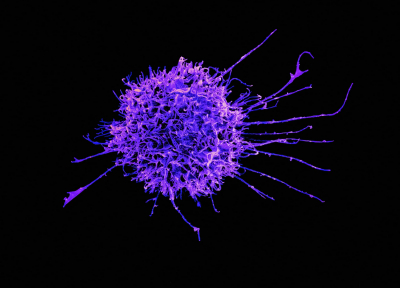

Every day, your immune system searches for signs of trouble. It looks for viruses, bacteria, and even abnormal cells that could become cancerous. In fact, scientists now know that the immune system can recognize and eliminate many potentially dangerous cells before they ever develop into a tumor.
So Why Does Cancer Still Develop?
For many years, researchers thought tumors escaped immune attack because they arise from the body’s own cells. Since the immune system is designed to avoid attacking healthy tissues, cancer cells were assumed to be largely invisible to immune defenses.
Today, we know the story is more complicated. The immune system can recognize and attack cancer cells. However, cancer is not a passive disease. Tumors can evolve ways to avoid detection, weaken immune cells, and create an environment that helps them survive. In many cases, cancer succeeds not because the immune system fails to see it, but because the cancer develops ways to fight back.
Cancer develops when normal cells accumulate genetic mutations over time. Most mutations are harmless, but occasionally they give cells the ability to grow uncontrollably. Because these mutations build up throughout life, the risk of developing cancer generally increases with age.
As tumors grow, they continue to change. Some acquire characteristics that help them hide from the immune system, while others release signals that suppress immune responses. Understanding how cancer evades immunity has become one of the most important areas of modern medical research.
How Can Scientists Help the Immune System Fight Cancer?
To understand how immunotherapy works, it helps to introduce the concept of an antigen.
An antigen is a molecule that the immune system can recognize. Antigens can be proteins, sugars, fats, or other molecules found on the surface of cells. When the immune system encounters foreign antigens from viruses or bacteria, it launches a targeted response. This includes producing antibodies and activating specialized immune cells, such as T cells, that can destroy infected cells.
Scientists have learned to use this same strategy against cancer.
Some tumors display distinctive antigens that can serve as targets for treatment. Researchers can create therapeutic antibodies that recognize these targets with remarkable precision. Once attached to cancer cells, these antibodies can help the immune system find and eliminate them.
This approach is already used to treat several cancers. For example, some breast cancers produce high levels of a protein called HER2 and can be treated with trastuzumab. Other cancers, such as certain lymphomas, can be treated with rituximab, which targets a molecule called CD20 found on the surface of cancerous B cells.
Releasing the Brakes on the Immune System
One of the most important advances in cancer immunotherapy has been the development of immune checkpoint inhibitors.
The immune system uses checkpoint molecules as natural brakes to prevent excessive immune activity and damage to healthy tissues. Some cancers exploit these checkpoints to shut down nearby immune cells and avoid attack.
Checkpoint inhibitors block these suppressive signals, allowing immune cells to remain active and continue attacking the tumor. These therapies have transformed treatment for several cancers, including melanoma, lung cancer, bladder cancer, and kidney cancer.
For some patients, checkpoint inhibitors have produced long-lasting responses that were rarely seen with older treatments.
Training Immune Cells to Fight Cancer
Scientists are also developing ways to strengthen a patient’s own immune cells. One approach involves collecting immune cells from a patient, activating and expanding them in the laboratory, and then returning them to the body. This increases the number of cancer-fighting immune cells available to attack the tumor.
Researchers have gone even further by genetically engineering T cells to recognize cancer cells. These modified cells, known as CAR-T cells (chimeric antigen receptor T cells), are designed to seek out specific targets on cancer cells and destroy them.
New Ways to Harness Immunity
Cancer immunotherapy continues to evolve rapidly. Researchers have developed therapeutic cancer vaccines, which are designed to help the immune system recognize and attack cancer. In 2010, the FDA approved Sipuleucel-T, the first therapeutic cancer vaccine for certain patients with prostate cancer.
Scientists are also exploring other innovative approaches, including:
- Modifying the tumor microenvironment to make it more favorable for immune cells
- Using oncolytic viruses that selectively infect and kill cancer cells while stimulating immune responses
- Combining immunotherapies with chemotherapy, radiation, and targeted therapies
Each of these strategies aims to improve the immune system’s ability to recognize and eliminate cancer.
The Future: Personalized Immunotherapy
One of the most exciting frontiers in cancer research is personalized immunotherapy. Although two patients may have the same type of cancer, their tumors can be biologically very different. Each tumor carries its own combination of mutations, antigens, and interactions with the immune system.
Rather than using a one-size-fits-all approach, researchers are working to identify the unique characteristics of each patient’s cancer and match them with the treatment most likely to succeed.
The goal is to improve effectiveness, reduce side effects, and provide patients with therapies tailored to their individual disease. As our understanding of cancer and the immune system continues to grow, personalized immunotherapy may help bring us closer to that goal.
Dr. Benecia is an Associate Professor of Immunology at Ohio University.