Cancer is a complex disease. There are over 200 different types, each with distinct molecular and genetic features that can make each person’s cancer somewhat unique. Even within one type of cancer, there can be many subtypes, further adding to the complexity of diagnosis and treatment. Additionally, each patient is a genetically unique individual who will have a distinct response to a tumor as well as treatment.
The Gibson Lab at the Karmanos Cancer Institute in Detroit, Michigan, is researching these genetic differences to better understand why some patients’ tumors respond to cancer treatments while others do not.
How Can We Use the Immune System to Treat Cancer?
The immune system is made up of many specialized cells whose job is to protect the body from diseases, including cancer. While the immune system is highly skilled, cancer can sometimes sneak past its defenses. One way that cancer does this is through hijacking the same signals that are used to turn off the immune system after an infection. Cancer can put the “brakes” on the immune system, so it can’t remove the cancer cells.
Certain cancer treatments called “immunotherapies” reactivate the immune system to fight cancer. One type of immunotherapy called “immune checkpoint inhibitors” will block the ability of the cancer to turn off immune cells, effectively taking the “brakes” off the immune system so that it can fight the cancer.
Immunotherapies have greatly improved survival for many cancer types; however, not all cancers respond equally well, and two people with the same type of cancer might respond differently to the same therapy. This means that more research is needed to improve these therapies so that more patients can benefit from these treatments.
Why Might a Tumor Not Respond to Immunotherapy?
There are many reasons why a tumor might not respond to immunotherapy. One factor that our lab studies is the genetic differences that influence how the immune system functions. Because we are all genetically different from each other, all our immune systems are different from each other too.
Exciting findings from our lab have started to help us understand the impact of these genetic differences on how well a patient’s tumor might respond to cancer immunotherapy. To do this, we treated mice that were genetically different, but had a genetically identical tumor, with the same immune checkpoint inhibitor treatment. This means that the only difference between the mice was in their genetic background. As seen in humans, we observed differences in how well the tumors responded to immunotherapy, suggesting that genetic differences between the mice were having a direct effect on treatment response.
When we looked at the genetic differences between the mice in our studies, we identified certain genes that were strongly associated with how well the tumors responded to treatment. We found that a set of similar genes that code for prolactin seemed to play a role in response to treatment. Prolactin is a hormone that contributes to hundreds of processes in the body.
To better understand this, we then treated mice that had tumors with immune checkpoint inhibitors as well as an FDA-approved drug called metoclopramide. This drug increases levels of prolactin in the body. We found that the mice showed an improved response to the immune checkpoint inhibitor treatment when metoclopramide was also given. This was true even for the mice with genetics that had poor responses to the checkpoint inhibitors on their own.
What Does This Mean for People?
This work has been carried out in mice in the lab, so we are researching whether this finding can benefit people with melanoma (a form of skin cancer). Right now, only about 50% of advanced melanoma tumors respond well to immune checkpoint inhibitors, and better treatment options are needed to bridge the gap for tumors that do not respond to immunotherapies. Understanding why drugs like metoclopramide might enhance the response to checkpoint inhibitors could be one way to help close the gap in melanoma treatment response, and beyond.
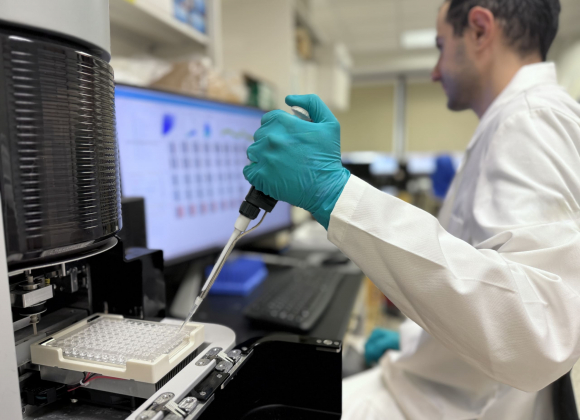
Photo credit: Yaleh Masood