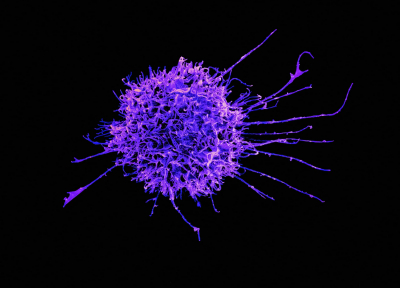

The Immune System: Our Built-In Defense Force
The immune system is the body’s defense force. Every day, immune cells patrol our bodies searching for viruses, bacteria, and abnormal cells that could become dangerous. In fact, the immune system can recognize and destroy potentially cancerous cells before they ever develop into detectable tumors.
This natural defense system is also the reason cancer immunotherapy has become one of the most exciting advances in modern medicine. Treatments such as Chimeric Antigen Receptor T-cell (CAR T) cells and immune checkpoint inhibitors help the immune system recognize and attack certain cancers more effectively.
But researchers have discovered something surprising: cancer can fight back against the immune system; sometimes, it even learns how to manipulate it.
When Cancer Changes the Rules
Rather than simply hiding from immune cells, tumors can reshape the environment around them and influence nearby cells in ways that help them survive. This is called the “tumor microenvironment,” the community of cells, blood vessels, and chemical signals surrounding a tumor. Within this neighborhood, cancer cells are constantly communicating with the immune system.
And sometimes, these molecular “conversations” benefit the cancer.
Immune cells normally work together using chemical signals to coordinate the body’s defenses. Some immune cells activate inflammation to fight infection, while others help repair damaged tissue after injury. These are healthy and essential functions that protect us every day. However, cancer can exploit these same systems for its own advantage.
When Immune Cells Become Unintended Allies
Imagine a criminal organization blackmailing and bribing local police officers to protect them instead of stopping their criminal activity. The officers themselves continue to do their normal job, but are also being manipulated into helping the criminals get away with their crimes. In a similar way, tumors can hijack normal immune functions to support their own growth and survival.
Through research, we now know that some immune cells may unintentionally help tumors grow by creating conditions that cancer cells can use to survive and spread around the body. Some immune cells can weaken the normal anti-cancer response of the immune system, while others may release signals that help tumors avoid detection or resist treatment. In some cancers, tumors can even attract immune cells that suppress nearby cancer-fighting cells, creating a protective environment around the tumor.
Importantly, these immune cells are not inherently harmful. They are performing functions that are normally important for healing and protection. Cancer simply learns how to misuse those normal biological processes for its own advantage.
Rethinking Cancer Treatment
For many years, the main goal of cancer immunotherapy was to strengthen the immune system’s ability to attack cancer. Treatments such as immune checkpoint inhibitors and CAR-T cell therapy have shown that the immune system can be a powerful tool against disease, leading to remarkable recoveries in some patients. However, these treatments do not work equally well for everyone, and some cancers eventually become resistant.
Scientists are beginning to realize that cancer is not acting alone. While strengthening the immune system remains an important strategy, researchers are increasingly recognizing that successful treatments may also need to block the harmful interactions cancers create within their surrounding environment. In other words, future therapies may not only help immune cells fight harder—they may also prevent cancer from turning the immune system into an unintended ally.
Researchers are now studying how cancers manipulate immune signals and how these interactions might be disrupted. By understanding which immune responses help cancer and which ones fight it, scientists hope to design smarter and more effective therapies.
Shanshan Wang is a PhD Student at University of Calgary in Calgary, AB, Canada, supervised by Dr. Jongbok Lee and Dr. Douglas Mahoney.