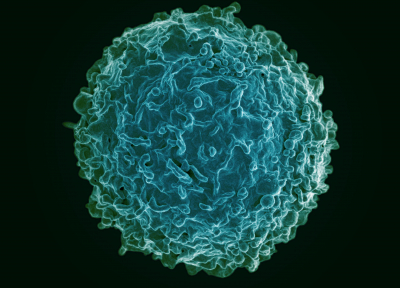

“When I (Yasmin) was diagnosed with Crohn’s disease in 2024, I felt an overwhelming sense of shame. I am an immunologist, and my field of specialty was regulating the immune system. Regulatory T cells (or Tregs) were the focus of my PhD, I knew the biology inside and out. So how could someone like me be diagnosed with one of the diseases that I was focused on fixing? My theme of shame continued: I put off getting my diagnosis despite knowing I had it, and I deferred receiving treatment for over a year after the diagnosis as I thought I could “fix it myself”.
Unfortunately, delaying treatment increases the risk of your disease progressing, tissue changes and not responding to treatments (or “refractory” disease). I started Entyvio in mid-2025, which is a targeted therapy that binds something called “alpha-4-beta-7 integrin”, which blocks your immune cells from entering your gut. I’m now in remission, and most importantly, symptom-free. Even as an immunologist, who knew the disease pathology, the immunology and how the drug works, I still felt the fear as any patient. But I now have my life back, and I would advise anyone that if you have noticed bowel changes, especially bleeding, it’s imperative you get seen right away – don’t delay. The sooner you get diagnosed and treated, the sooner you may just get your life back!”
When the Immune System Goes Wrong
Crohn’s disease is part of a group of conditions called inflammatory bowel disease (IBD). Ulcerative Colitis is also a form of IBD. Crohn’s is a chronic inflammatory disease where an abnormal immune response develops in the gastrointestinal tract.
Normally the intestines have a challenging job to mediate a symbiotic relationship between commensal microbes and the intestinal immune tissues. In Crohn’s disease a number of factors coincide that push this system out of balance resulting in an inappropriate and strong inflammatory response developing against these microbial residents which causes damage to the surrounding tissue resulting in the symptoms associated with Crohn’s disease.
Crohn’s is a complicated multifactorial disease caused by a range of factors including genetics, the microbiome, environmental exposures and the functionality of the intestinal barrier.
Genetic determinants: More than 200 gene variants have been identified to be associated with Crohn’s disease. One of the most common genetic variants is in an immune protein called NOD2, an immune sensor protein that detects bacteria. Mutations in this protein can decrease the ability to recognize and eliminate bacteria and also result in chronic inflammation as a result of bacterial sensing. Many other immune-related genes have been implicated in Crohn’s disease as well as the other form of inflammatory bowel disease, Ulcerative Colitis.
Microbiome: Certain bacteria in the microbiome have been associated with Crohn’s disease. Generally there is a decrease in microbial diversity and stability, including decreases in specific species and increases in others. These relationships have not been proven to be causal but are worth considering in disease development.
Environmental exposures: There are many hypotheses around possible early life exposures that may increase risk of IBD (early antibiotic use, urban living, etc.) but none of these has been proven causal. Smoking is the strongest environmental exposure that has been associated with Crohn’s disease.
Intestinal barrier function: Defective intestinal barrier function has been associated with development of IBD. Several infections such as Helicobacter pylori, Entamoba histolytica, and Toxoplasma gondii. Interestingly, a few others have been associated with a lower risk of infection.
Risk factors: People with a first-degree relative are at higher risk of the disease (about 20% of those with Crohn’s have a family member with the disease). Crohn’s disease tends to develop between the ages of 15 and 35. Differences in various ethnic backgrounds and geographic locations have also been associated with different risk profiles for the development of Crohn’s disease.
What Crohn’s Disease Looks and Feels Like
Crohn’s can impact the entire digestive tract but tends to focus on the small intestines and beginning of the colon. It can cause severe inflammation through the entire intestinal wall, not just the surface. Crohn’s tends to produce patches of inflamed tissue separated by healthy tissue. This pattern is called “skip lesions” as they skip around the intestinal tissue.
The symptoms can vary enormously from person to person and can also mimic conditions such as irritable bowel syndrome (IBS) and allergic gastritis or infectious gastroenteritis.
Most common symptoms include:
- Persistent diarrhea
- Abdominal pain and cramps
- Fatigue
- Loss of appetite
- Unintended weight loss
Less common symptoms:
- Rectal bleeding
- Joint pain
- Skin problems
- Eye inflammation
- Mouth sores
- Children can have impaired growth or delayed puberty
Damage to the intestines can cause scar tissue that results in a narrowing of the intestinal passage, called stricture, which can lead to bowel obstruction. Inflammation can also cause abnormal connections between the intestines and other tissues called fistulas. Symptoms tend to come in periods of flare and remission.
Piecing Together a Diagnosis
Like many autoimmune conditions there is no single diagnostic test for Crohn’s. Diagnosis is made through a combination of evidence, including blood tests, stool testing, and imaging. Blood and stool tests for Crohn’s disease are often focused on markers of inflammation.
Blood tests: Blood tests are performed to measure anemia, erythrocyte sedimentation rate (ESR), and serum C-reactive protein (CRP). Other immune markers, such as atypical perinuclear anti-neutrophil cytoplasmic antibody (pANCA) and anti-Saccharomyces cerevisiae antibody (ASCA), are also commonly assessed to aid in diagnosis.
Stool testing: Fecal calprotectin is assessed to measure inflammation. Calprotectin is a protein released by white blood cells, specifically neutrophils, when there is inflammation in the intestines and signifies abnormally high inflammation.
Imaging: Endoscopy, colonoscopy, magnetic resonance imaging (MRI), ultrasound and computed tomography (CT) scans are imaging approaches that can be used to support a diagnosis of Crohn’s disease. Imaging is used to visualize the small intestine for pathology and, at times, to take biopsies to examine tissue samples at a microscopic level (histopathology).
In addition to testing for specific markers, the diagnostic process will also focus on eliminating other potential conditions that can present similarly to Crohn’s disease, such as certain infections, Celiac disease, diverticulitis, irritable bowel syndrome (IBS), ischemic colitis, ulcerative colitis, and others.
Treatments for Crohn’s
There is no cure for Crohn’s disease. The current clinical goal of treatment for Crohn’s disease is sustained steroid-free clinical remission and control of intestinal inflammation, ideally including healing as measured by endoscopy. Treatment will be tailored to individual needs, depending on how severe and how often they experience flares of symptoms.
Corticosteroids: Short-term treatment that broadly suppresses inflammatory processes. Commonly used examples include prednisone and budesonide.
Immunosuppressants: Broad inhibition of immune cell functions to dampen inflammation, including azathioprine and methotrexate.
Biologics: Targeted therapies focused on modulating specific signaling pathways that play a role in inflammation. Examples include: anti-tumor necrosis factor (TNF) biologics, such as infliximab and adalimumab; anti-Integrin biologics, such as vedolizumab; and anti-IL-23 biologics, such as ustekinumab, guselkumab and mirikizumab).
Targeted small molecules: Small molecule treatments that block specific signaling pathways involved in inflammation, such as JAK inhibitors like tofacitinib or upadacitinib.
Surgery: Surgical intervention is not ideal but can be included in treatment and depends on the location and severity of disease.
Emerging Treatments
There are a variety of treatments currently in development which have not yet been approved but focus on new targets involved in Crohn’s disease. The goal is to provide more targeted treatment options to alleviate symptoms and increase time spent in remission. Read below for some details of the emerging treatments.
TL1A: A cytokine that sits at the intersection of immune activation, intestinal inflammation and fibroblast biology. Tulisokibart, Duvakitug, Afimkibart are all new biologics in development targeting this protein.
TGF-BR1/ALK5 inhibitor: Another area in development is targeting a pathway implicated in the fibrostenotic subclass of Crohn’s disease. Ontunisertib is a GI-restricted inhibitor of ALK5/TGF-B receptor 1. TGF-beta signaling is a major driver of fibroblast activation.
miR-124: Another approach is modifying a small RNA (microRNA) involved in controlling gene expression in inflammatory signaling. Obefazimod is currently in clinical development but has not proven efficacy in phase II yet.
Final Thoughts
Crohn’s disease has long been misunderstood as simply a stomach problem, when it’s really a complex, whole-body immune condition. Too many people spend years cycling through symptoms before getting a diagnosis that finally connects the dots.
But real progress is being made. Better imaging and biomarker testing are catching Crohn’s earlier and more accurately, and a growing pipeline of biologics is giving patients more targeted options than ever before, especially for those who don’t respond to older treatments.
There’s no single “cure” for Crohn’s. The goal of treatment of lasting remission is more achievable now than it’s ever been. That matters enormously for a disease defined by unpredictable flares.
Living with Crohn’s still means constant vigilance: tracking triggers, planning around flares, and advocating for care that takes the whole picture seriously. It’s not easy. But research into the gut immune system is accelerating, and with it, real hope for a future with fewer flares and more good days.
If you are experiencing symptoms that may be a sign of an inflammatory bowel disease, please don’t delay. See your primary care provider as soon as possible. In the words of Yasmin, “The sooner you get diagnosed and treated, the sooner you may just get your life back!”
Resources for Crohn’s and IBD Support:
- MyCrohnsandColitis Team https://www.mycrohnsandcolitisteam.com/
- Crohn’s & Colitis Foundation https://www.crohnscolitisfoundation.org/
- Crohn’s and Ulcerative Colitis Companion https://www.crohnsandcolitis.com/tools-and-support/support-and-resources
- Living with IBD https://www.livingwithibd.com/crohns-disease
This article is a collaboration with Science Crosstalk by Dr. Aimee Pugh Bernard on Substack and Unbiased Science, an organization of multidisciplinary scientists dedicated to making health and science information accessible to the public. Yasmin Mohseni can be found on Instagram as @doctor.yas_