
Why are women more likely to develop lupus than men?
Scientists have been asking this question for decades. About 9 out of 10 people living with lupus are women, most often diagnosed during their reproductive years. While genetics and sex chromosomes play an important roles, genes alone cannot fully explain this striking difference. Increasingly, researchers are exploring whether hormone exposure during critical stages of development may help shape how the immune system behaves later in life.
This idea is changing how scientists think about lupus risk and raising fascinating questions about how our earliest experiences can leave lasting fingerprints on immune health.
What Is Lupus, and Why Is It So Female-Biased?
In lupus, the body’s own defense system turns against the very body it’s supposed to protect. Normally, the immune system works like a smart security system: it spots viruses and bacteria, and keeps us safe. But in lupus, that system malfunctions. Instead of protecting, it mistakenly attacks healthy tissues, causing inflammation in the kidneys, joints, skin, and more. Researchers know that both genetics and environmental factors contribute to lupus. However, the strong female predominance suggests that sex-differences, including hormones, may also play a role.
How do Hormones Influence the Immune System?
Hormones are chemical messengers that travel in the blood to tell different parts of the body what to do. Most people think of hormones as regulators of growth, reproduction, or metabolism. But hormones also communicate with the immune system. Estrogen and progesterone, the primary female sex hormones, can influence how immune cells develop, communicate, and respond to threats. The immune system itself is still developing during early life, making childhood and adolescence important periods for immune programming. Scientists often compare hormones to biological “dimmer switches” that can turn certain immune responses up or down. If hormone signals are unusually high, low, or altered during sensitive developmental windows, they may leave long-term effects on how the immune system functions later in life
Early Estrogen Exposure
Some large studies in people have reported associations between factors linked to greater lifetime estrogen exposure—such as menstruation before age 10 or certain hormone therapies—and an increased risk of lupus. An observational study of 128 Bangladeshi women reported that earlier menarche (first period) and oral contraceptive use were more common among women with lupus compared to those without lupus. While, this could point toward higher estrogen exposure as a possible contributor to lupus, observational studies do not establish cause on their own.
It is important to remember that if hormones are a contributing factor to lupus, they are unlikely to be acting alone. If you have questions about your risk of lupus or estrogen-exposure, talk to a doctor about your concerns or visit a local health clinic before making any changes to your medication.
How Might Early Hormones “Program” the Immune System?
Researchers use the term “immune programming” to describe how early-life experiences can shape immune responses later in life. Hormonal signals may influence which immune cells develop, how long they survive, and how strongly they respond to future challenges.
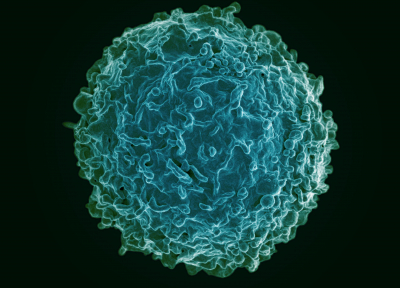
Estrogen can enhance the activity of B cells, the immune cells responsible for producing antibodies. It can also influence inflammation and alter patterns of gene activity through processes known as epigenetic changes. Think of epigenetics as adding “sticky notes” to DNA. The genetic code itself does not change, but the “sticky notes” can influence which instructions are read more loudly or more quietly. Scientists believe that hormonal signals during sensitive developmental periods may leave lasting biological marks that affect immune function for years.
What Does This Mean for Patients and Families?
Early-life hormone exposure is only one piece of a much larger puzzle that includes genetics, infections, environmental exposures, lifestyle factors, and chance. Current research cannot predict who will develop lupus based on hormone exposure alone. It is also important to remember that hormones are just one piece of the puzzle when it comes to sex-based differences that may explain why lupus is more common in women.
However, understanding how hormones interact with the immune system may help scientists identify people at higher risk, improve disease prevention strategies, and develop more personalized treatments in the future. As researchers continue to uncover how hormones and immunity interact across the lifespan, they are gaining new insight into one of lupus’s greatest mysteries: why the disease affects women so much more often than men. While the science is still evolving, studying early-life hormone exposure may help reveal new pathways toward understanding, preventing, and ultimately treating autoimmune disease.
Mahfuzul Islam is earning his PhD in biomedical sciences and pathobiology in the lab of Dr. S. Ansar Ahmed at Virginia Tech.