What is MCAS?
MCAS is a condition in which mast cells release chemical mediators inappropriately or excessively, leading to recurrent symptoms affecting multiple body systems. In MCAS, mast cells frequently release mediators in response to triggers that would not typically cause such a strong reaction. People with MCAS experience these overactive immune responses frequently and repeatedly, causing symptoms that have a substantial impact on their daily lives.
Living with MCAS: A Patient’s Story
We asked Jenna Gestetner, who lives with the diagnosis herself to share her story to add personal experience to the science behind MCAS. You can find her online @JennaXHealth
I (Jenna) was a seemingly healthy child. I’d get the “normal” sicknesses, but there was always something odd about them. I got ear infections, but abnormally often. I got shin splints from running track, but they were very hard to treat. By the time I was 12, the everyday symptoms started. Headaches. Stomach aches. Itching. Nausea. Dizziness. Fatigue. And so much more. When I’d tell anyone, they’d say, “Me too! I’m always tired, I always have a stomachache. It’s so annoying, right?” So, I assumed everyone felt this way.
Around the age of 12, things took a turn: I went from being able to eat every single food to slowly starting to react to them all. I soon realized a lot of my symptoms were caused by certain foods, so I’d stop eating them and feel better. A couple months later, the same thing would happen again. Over the past 12 years, this pattern has continued to happen. Today, I can only eat 9 foods. But it is not just food—I react to fabrics like linen, changes in pressure and temperature, and even my own sweat.
The scariest part is how unpredictable MCAS is. A food I’d eat one day that I’d been eating safely for months would, the next day, suddenly cause a severe reaction. When your own body can turn on something as ordinary as fabric or a change in pressure, you stop trusting that anything is safe.
When I’d go to my pediatrician and specialists, I’d check almost every box on the symptom checklist. But when I’d be asked specifics, it all blurred together and made my experience confusing and unproductive (something I can only describe as bleh). So, each specialist would take the symptom(s) that fell in their lane, run a test, and when it came back normal, it was dismissed. Insignificant. Nothing to worry about. It felt like it was concerning enough to warrant looking into but never amounted to enough that anyone had to do anything about it. I know now that my MCAS was hard to diagnose partly because doctors and researchers are still learning so much about it.
I’d been called “sensitive” my whole life, as if I just needed to be stronger to endure these interactions. The healthcare providers I saw told me many of my symptoms weren’t signs of a real condition, that I might never find an answer that explained everything. But deep down, I knew there was one.
It wasn’t until a particularly strange reaction where my doctor mentioned mast cells as a casual explanation that led me to discovering Mast Cell Activation Syndrome (MCAS). Learning more about it, every single little seemingly random health issue I’d had since the day I was born made sense. And it was all being caused by my immune system. I turned to the internet and read as much as I could find. Every odd problem I’d had that’d been called abnormal or not a significant issue was indicative of MCAS. Each new piece of information I gathered about MCAS explained another piece of my life. It was like finally being able to put together the puzzle of a bag of pieces I’d carried around my entire life.
Despite being sure I had found the answer I’d been searching for, getting a diagnosis was still far from easy. First, I had to find an allergy and immunology specialist who knew about MCAS, which was challenging back in 2020. Then, I had to find one that followed the newly published diagnostic criteria (because I didn’t meet the old one). Even then, getting an official diagnosis took persistence, creativity, and a lot of luck.
The amazing thing is that there are so many treatments for MCAS now. Medications and treatments recommended by my doctors have made a huge difference in certain symptoms. But each one only begins to scratch the surface of the ways in which this condition impacts my body and my life.
I’ve come to realize as much as this is physical, ultimately, it is a mental battle. Other people not understanding it, not believing it, or not having a name for it doesn’t make it any less real. It’s real because it is my experience. It is a battle to live my life despite the restrictions. Every day I must make decisions about what I can eat, what I can wear, where I can go—silently calculating every little thing. I have to simultaneously be vigilant, hold the fear of the next unpredictable reaction, and fight through the physical symptoms—all while resisting the urge to let it shrink my life. Health is just one part of life. The goal isn’t a perfectly fixed body, it’s to live a fulfilling life. So, that’s what I focus on. Much of the journey of having MCAS is unpredictable and out of your hands, but I’ve learned that happiness is shaped by your perception, and the power to create your perception is in your hands.
What are mast cells?
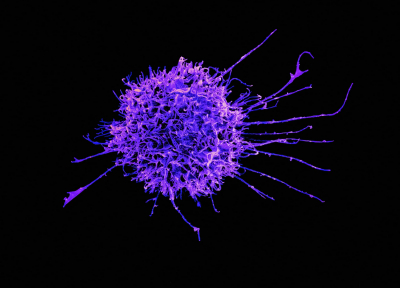
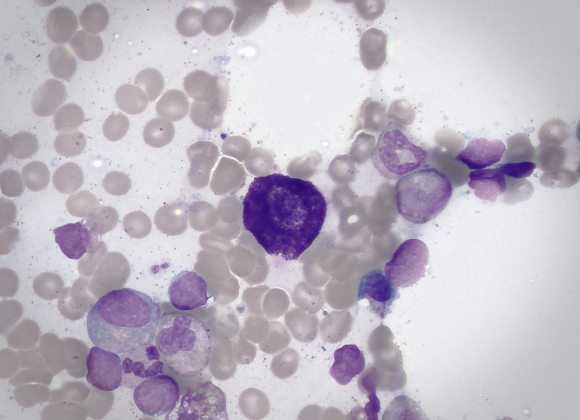
Mast cells are an important part of your immune system. They live in tissues throughout your body and patrol for things that shouldn’t be there. Mast cells help protect against parasites and toxins, aid in wound healing, and help coordinate immune responses by releasing chemicals that attract and activate other immune cells .
Mast cells are sometimes called the “allergy cell” because they are also responsible for immediate allergic reactions such as urticaria or hives. They play a central role in allergic responses by releasing chemicals called mediators, like histamine, in response to something otherwise harmless like pollen, pet dander, or food. The release of these mediators leads to common symptoms of allergies like runny noses, hives, and anaphylaxis.
How do mast cells work?
In allergic reactions, the immune system (B cells specifically) produces a type of antibody called IgE. IgE attaches to mast cells and acts like a sensor. When an allergen such as pollen or pet dander enters the body, the IgE ‘sensor’ on the mast cell recognizes the allergen and triggers mast cells to release their stored mediators, including histamine and tryptase. Activated mast cells can also make and release additional chemical mediators called leukotrienes, prostaglandins, and cytokines.
Think of this like a piñata. The piñata is the mast cell. The IgE bound to allergen is like the person holding the stick that hits the piñata, causing the release of candy. All the candy falling out of the piñata is like the mediators leaving the mast cell after being activated.
But allergens working though IgE aren’t the only way that mast cells can be activated. Mast cells also have sensors (known as receptors) for other proteins and chemical mediators produced during immune responses. They can also be activated by microbes, neurotransmitters, hormones, growth factors, and even some prescription medications and physical triggers like vibration. In patients dealing with mast cell activation symptoms, the release of mast cell mediators may be driven by any one of these factors.
How can mast cells become overactive?
Mast cells may become overactive due to a genetic mutation that directly changes the way the mast cells appear and behave. In people with clonal mast cell activation syndromes (also celled systemic mastocytosis and monoclonal mast cell activation syndrome, or cutaneous mastocytosis with systemic mast cell activation), this mutation makes the mast cells unstable and lowers the threshold for them to overreact to stimuli.
Other people may carry a genetic trait called hereditary alpha tryptasemia (HaT) that increases the amount of a specific mast cell mediator called tryptase in their bodies, which increases the chances of developing an overactive mast cell activation response and severe anaphylaxis, a rapid and life-threatening allergic reaction.
Others may have no known genetic differences that directly affect their mast cells or that increase their risk of severe anaphylaxis. For these patients, it is unclear what causes mast cells to have a lower threshold for spontaneous activation or for overactivity after exposure to a stimulus. Researchers are actively trying to understand what could drive spontaneous mast cell activation in people without clonal mast cell disorders or IgE-driven conventional allergies.
Symptoms of mast cell activation are also found in some individuals with hypermobile joints and other collagen or connective tissue differences. They may also be seen in people with neurologic problems, like autonomic nervous system dysfunction and pain syndromes. Researchers are still trying to understand why mast cells seem more ‘twitchy’ in these conditions and why the vast majority of people with mast cell activation and related conditions frequently don’t have positive laboratory testing needed to formally diagnose them with MCAS.
What happens when mast cells become overactive?
In MCAS, mast cells become unusually sensitive and release mediators too easily or too often. For lots of people with MCAS, it’s not just allergens that can cause mast cells to release mediators. Things like heat or cold, stress, exercise, drugs, food, beverages, and more, can activate mast cells. These responses are unpredictable and symptoms can vary. Each person’s triggers are unique and can change over time.
What makes MCAS different?
How is MCAS Different from Autoimmune Disease?
Autoimmune disorders occur when the immune system mistakenly attacks part of the body. In MCAS, the immune system is not directly attacking the body but rather overreacting to stimuli or spontaneously reacting. With MCAS, immune cell activation is deregulated.
How is MCAS Different from Allergies?
Many common allergic reactions are driven by IgE antibodies. After exposure to an allergen, your immune system (B cells specifically) creates IgE antibodies to “fight” the allergen if you are exposed again. Later exposures trigger mediator release when IgE binds to mast cells (described above). Most allergic reactions happen quickly after exposure and with consistent symptoms. In a classic type I hypersensitivity or IgE-mediated allergy response, it is often easy to identify the trigger, and the presence of IgE can test for allergies. While allergies and MCAS both involve mast cells, MCAS is characterized by inappropriate or excessive mast cell activation that can occur in response to many different triggers and doesn’t necessarily require IgE.
What are MCAS symptoms?
The symptoms of MCAS can be wide-ranging, including:
- Heart related symptoms
- Rapid pulse (tachycardia)
- Low blood pressure (hypotension)
- Skin related:
- Itching
- Hives (urticaria)
- Swelling
- Skin turning red (flushing)
- Lung related:
- Wheezing
- Shortness of breath
- Trouble breathing and/or throat closing.
- Gastrointestinal related:
- Diarrhea
- Nausea with vomiting
- Crampy abdominal pain
Many symptoms of MCAS are linked to other common health conditions, making it difficult for some healthcare providers to connect them to MCAS.
How is MCAS Diagnosed?
There are three criteria that allergists/clinical immunologists use to diagnose MCAS.
- Symptoms consistent with conventional allergic reactions that involve at least 2 out of the 4 organ systems listed: skin and mucus membranes; gastrointestinal tract, airways (nasal passages, ears, lungs); and cardiovascular (low blood pressure, fast heart rate, and symptoms that can go along with these signs like dizziness, lightheadedness, fainting, etc.), and that are severe and recurrent
- Laboratory tests that indicate mast cell activation
- Patients respond to medications that target mast cells or their mediators
Laboratory tests for MCAS include blood tests showing increases in tryptase or other mast cell mediators or urine tests showing increases in breakdown products of mast cell mediators. Laboratory tests can be difficult for a variety of reasons, including the need to be done just after a reaction when mediators are still present and that not all mediators can be easily tested for.
What Treatments are Available for MCAS?
Treatment for MCAS varies person to person based on their symptoms and experiences. Patients should work with their doctors to determine the best treatments for their particular symptoms and triggers. Some possible treatments include:
- Antihistamines to dampen allergy-like symptoms
- Epinephrine, like in an epi-pen, when a patient is experiencing anaphylaxis
- Aspirin to reduce flushing
- Leukotriene modifiers to help with breathing
- Mast cell stabilizers to prevent mediator release
- Omalizumab, a monoclonal antibody that blocks binding of IgE to mast cell receptors and has been reported to reduce mast cell reactivity and sensitivity to activation
- Corticosteroids to reduce inflammation
- Specific chemotherapy medications for patients with clonal mast cell disorders
What Researchers are Working to Figure Out
The truth is that there is still a lot we don’t know about MCAS. Researchers are working hard to understand what causes the disease and how it progresses to improve diagnostics and treatments.
There are many active areas of MCAS research, including:
- How genetics may play a role in MCAS
- How mast cells change in MCAS
- How to improve tests for various mediators
- How MCAS overlaps with other diseases
- New drugs to treat MCAS
Resources to learn more:
- Mast Cell Disease Society
- The Itch Podcast
- The Immune Confident Institute by Dr. Kara Wada
- American Academy of Allergy, Asthma, and Immunology (AAAAI)
- Conversations from the World of Allergy – Unraveling Mast Cell Activation Syndrome
- AAAAI Ask the Experts: MCAS