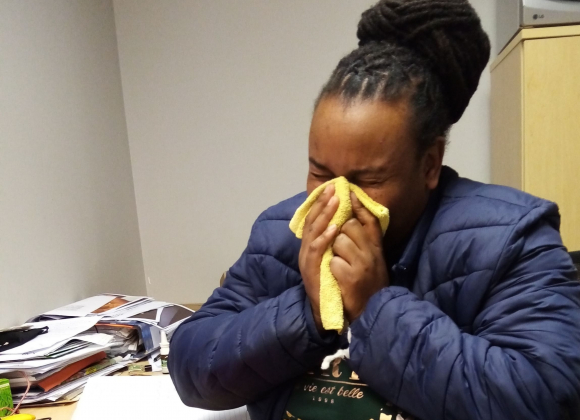
One person can cuddle a cat, eat peanut butter, or run through a field of flowers without a problem. Another person does the exact same thing and suddenly can’t stop sneezing, itching, wheezing, or reaching for antihistamines.
So, what makes someone allergic?
The answer is fascinating: the immune system sometimes mistakes harmless things for dangerous invaders. It’s like your body overreacting to the biological equivalent of a harmless neighbor just saying hello.
The immune system is like a security team constantly scanning for danger. It exists to protect you from things that can harm you, like viruses, bacteria, parasites, and other biological threats. When functioning normally, it works beautifully to identify harmful germs and fight them off before you even notice.
Allergic reactions happen when the immune system gets confused. Instead of ignoring harmless things like pollen, dust, peanuts, or pet hair, the immune system treats them like dangerous enemies and launches a full defense response. It’s like setting off an alarm in the building because someone brought in candy.
How do Allergies Start?
The strange thing about allergies is that they often begin with a completely normal first encounter. The first time someone eats a peanut or breathes in pollen, the immune system may decide incorrectly that the substance is dangerous. When that happens, the body creates special fighters, called antibodies, to recognize that “threat” in the future. From then on, the immune system remembers, and the next time the person encounters that substance, the body reacts fast and dramatically.
When an allergic reaction happens, immune cells release chemicals like histamine to “fight” the harmless substance. The release of histamine by these immune cells leads to the classic allergy symptoms such as sneezing, runny nose, itching, swelling, hives and wheezing, which are part of the body’s normal defense strategy.
Why Are Some People Allergic and Others Aren’t?
Scientists are working hard to understand why some people develop allergies and others don’t. We do know that allergies come from a mix of genetics and environmental factors. If allergies run in your family, your immune system may already be more likely to react strongly.
But life experiences play a role too, especially during childhood. Researchers have identified that the immune system learns from the environment early in life. Exposure to foods, animals, bacteria, and other environmental factors may help teach it what’s normal and what’s actually dangerous. This is one reason scientists study the “hygiene hypothesis” which states that extremely clean modern environments may give the immune system fewer opportunities to learn how to stay calm. It is not saying that dirt magically prevents allergies, but that the immune system needs practice distinguishing harmless things from harmful ones. Without enough training, it may become overly sensitive.
Allergies have become much more common over the past few decades, especially food allergies and scientists believe several modern factors may play a role; like spending more time indoors, air pollution, changes in diet, and exposure to chemicals because of industrialization.
One major area of research focuses on the gut microbiome: the trillions of bacteria living in your digestive system which help “train” the immune system. A healthy microbiome may help the body recognize harmless substances correctly. Which means tiny gut microbes may partly decide whether your body treats peanuts like food or your next medical crisis.
Allergies Aren’t the Immune System “Failing”
Allergies happen because the immune system is trying very hard to protect you. It’s not being lazy or not knowing exactly how to respond, it’s being overprotective. Your immune system evolved over millions of years to detect danger quickly. Sometimes, that system becomes too sensitive and reacts to things that are completely harmless. So, when someone sneezes through spring or avoids certain foods, their body isn’t broken. Their immune system is just misidentifying the target and unfortunately, it can misidentify that target with too much enthusiasm.
Allergies are one of the interesting examples of how complicated the immune system really is. Your body is constantly making calls about what belongs and what doesn’t. Most of the time, it gets things right but sometimes, it sees pollen, cat hair, or peanuts and decides: “Absolutely not. Let’s go to town!”
Araba Abaidoo-Myles is earning her PhD in immunology under Dr. Rebecca Martin at Virginia Commonwealth University.