
Every time I (Jess) grab a bite with one of my dear friends, she lets the server know she has celiac disease. And every time, she apologizes for being “that person.” And every time, I remind her she isn’t being that person. This is a medical condition. An autoimmune disease, actually. Telling a server you can’t eat gluten isn’t a preference or a quirk, it’s the same as telling them about a serious allergy.
She’s told me what it feels like to get “glutened” (she uses it as a verb, and once you know someone with celiac, you will too). Even trace amounts can wreck her for days. A fryer that cooked something breaded earlier in the day and then fried her french fries is enough. Cross-contamination isn’t a fussy preference. It’s the difference between a normal evening and being in pain for the next week.
For a long time, celiac disease was thought of as a rare childhood condition: the kind where a sick kid couldn’t gain weight and had chronic diarrhea, and once you figured out the cause, the diagnosis was almost surprising in its simplicity. Stop eating gluten. Problem solved.
Except it isn’t that simple. And it isn’t that rare.
Celiac disease affects roughly 1 in 100 people worldwide, but around 80% of those people don’t know they have it. It doesn’t always look like a gut problem. And because its symptoms overlap with so many other conditions, the average time from symptom onset to diagnosis has historically stretched across years, sometimes more than a decade.
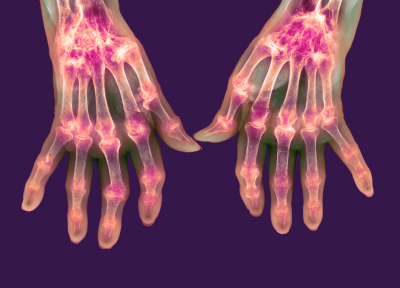
This is the latest installment in Unbiased Science’s ongoing autoimmune series, following rheumatoid arthritis, lupus, multiple sclerosis, and Sjögren’s disease. As with each condition we’ve covered, the story of celiac is one of a disease hiding in plain sight: common, underdiagnosed, and one that medicine has been slow to take seriously.
Living with Celiac Disease
We asked Dr. Padget Skogman, a board-certified pediatrician who lives with the diagnosis herself, to help us tell this story. Let’s discuss…
“I (Padget) was diagnosed with type one diabetes at the age of 5, but back then, celiac disease was barely heard of, let alone tested for yearly like it is today. It was my mom’s diagnosis of celiac disease in 2008 that prompted me to get screened with an endomysial antibody test. I was 24 years old and had a history of microcytic anemia, but had no obvious GI discomfort. I was shocked when my test came back positive. I had an endoscopy about a month later and was diagnosed with celiac disease (like my mom).
The diagnosis was an adjustment, to say the least. Hardest initially was finding restaurants that could truly cook celiac-style, gluten-free food without cross-contamination, and finding replacements for my favorite things, like bagels. I remember how nervous I felt going on my first date with my now-husband, wondering if he would be annoyed by all the places I couldn’t safely eat. (Clearly he was not 😉 )
Since the initial diagnosis, things have changed a lot as there is more awareness and more products. I find myself grateful for all the gluten-free products and for the fact that I eat a healthy, mostly plant-based diet, since almost all plants are naturally gluten-free.
As a pediatrician and a parent, I think about the mental health implications and risk for disordered eating for the kiddos who have to deal with a restrictive diet while growing up with celiac disease. I hear this from kids and families who are missing out on eating the “normal” birthday cake at parties or on donuts after church. There’s no one right way to address this, but it’s important to recognize signs, encourage your child to discuss them with you, and seek professional help if needed.”
When the immune system goes wrong
In celiac disease, the immune system mistakes gluten, a protein found in wheat, barley, and rye, for a serious threat and launches an attack. The problem isn’t just that it targets gluten. It’s that in doing so, it damages the body’s own tissues, particularly the lining of the small intestine, where food is digested and nutrients are absorbed. Over time, this attack destroys the tiny, finger-like projections called villi that enable nutrient absorption. The visible result is intestinal injury and malabsorption, but the deeper issue is the immune misfire driving it.
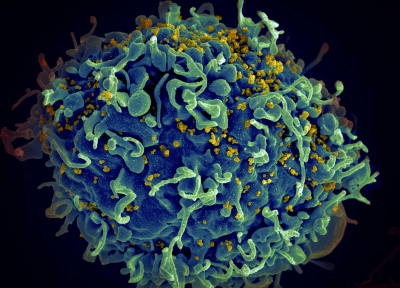
When gluten is present, immune cells become activated and they stimulate the production of specific autoantibodies (such as antibodies that target tissue transglutaminase, an enzyme that modifies proteins including gluten). Together, these immune responses fuel chronic inflammation and tissue destruction in the gut and can affect other parts of the body, contributing to symptoms such as anemia, bone loss, skin rashes, neurological changes, and fatigue.
Like most autoimmune conditions, celiac disease develops from a combination of factors:
Genetics: Almost everyone with celiac disease carries a specific genetic variant that affects how their immune system identifies threats. These variants, known as HLA-DQ2 and HLA-DQ8, influence how the immune system reads and responds to proteins like gluten. In people who carry them, fragments of gluten are more likely to be displayed to immune cells in a way that triggers an attack. Think of it as repeatedly showing the immune system a harmless object but labeling it “dangerous.”
Environmental triggers: Gluten exposure is necessary but not sufficient on its own. Certain infections, particularly gastrointestinal infections early in life, changes in the gut microbiome, or events that disrupt intestinal barrier function, may help trigger the disease in genetically susceptible people, setting the stage for the immune system to overreact when gluten is encountered.
Developmental and physiological factors: Celiac disease can appear at any age, but often emerges during periods of immune or physiological change, such as early childhood, puberty, pregnancy, or after major illness or stress. These shifts may influence immune regulation, tipping a balanced system into autoimmunity in people already at risk.
What celiac disease looks and feels like
One of the reasons celiac disease goes undiagnosed so often is that its symptoms are easy to explain away, and they don’t always look like a classic “gut problem.” Fatigue? Stress. Iron deficiency? Diet. Bloating? Food intolerance. Brain fog? Lack of sleep.
The most recognizable symptoms involve the digestive system: chronic diarrhea or constipation, bloating, abdominal pain, nausea, and unintentional weight loss. But plenty of people with celiac disease never have obvious digestive symptoms at all. Instead, they may notice persistent fatigue, anemia that doesn’t respond to iron supplements, or unexplained nutrient deficiencies.
Celiac disease doesn’t stay in the gut. For many people, the most noticeable symptoms occur outside the digestive system:
- Blood: iron-deficiency anemia or deficiencies in B12 or folate
- Bones: reduced bone density (osteopenia or osteoporosis) and increased fracture risk
- Skin: an intensely itchy, blistering rash called dermatitis herpetiformis
- Nervous system: headaches, brain fog, peripheral neuropathy, or balance problems
- Reproductive system: infertility or pregnancy complications
- Growth and development (in children): delayed growth or puberty
- General: fatigue, often severe enough to disrupt work and daily routines
In some cases, these are the only clues that something is wrong. The result is a condition that can look entirely different from one person to the next, ranging from severe gastrointestinal illness to subtle, system‑wide symptoms, making it easy to overlook, misattribute, or dismiss until the underlying cause is finally identified.
Left undiagnosed and untreated, celiac disease can cause lasting damage, including malnutrition, weakened immunity, liver disease, and an elevated risk of certain cancers.
Piecing together a diagnosis
As with many autoimmune conditions, no single test confirms celiac disease in every case. Diagnosis is based on a combination of symptoms, blood tests, and intestinal biopsy findings. It can take time and can involve multiple specialists, particularly when symptoms are subtle or don’t point clearly to a gastrointestinal condition.
Part of what makes diagnosis difficult is how widely symptoms can vary and how much they overlap with other conditions, from irritable bowel syndrome to iron‑deficiency anemia to chronic fatigue. Some patients have few or no digestive symptoms. Others may have negative or borderline test results early in the disease. Many people live with unexplained symptoms for years before receiving a diagnosis. When clinicians are piecing it together, they typically look at several key elements:
- Blood tests for celiac‑associated antibodies, especially tissue transglutaminase IgA (tTG‑IgA), the preferred initial screening test, along with endomysial antibodies (EMA) or deamidated gliadin peptide (DGP) antibodies.
- Total IgA levels, since IgA deficiency can cause false‑negative results and requires a different testing approach.
- Small intestinal biopsy (via endoscopy) to confirm damage to the intestinal lining (villous atrophy), which remains the gold standard for diagnosis in most adults.
- Genetic testing for HLA‑DQ2 or HLA‑DQ8, which can help rule out celiac disease when absent, but cannot confirm it on its own.
For some women, reproductive difficulties are the first sign that something is wrong. Undiagnosed celiac disease has been associated with infertility, recurrent pregnancy loss, and complications during pregnancy, and women experiencing these issues without a clear explanation are reasonable candidates for celiac screening.
One important wrinkle: for testing to be accurate, patients must still be eating gluten. Cutting it out too early can normalize blood tests and make diagnosis much harder. This is one of the more frustrating aspects of the process, since people who are already feeling sick are asked to keep eating the thing that may be making them sick, at least until testing is complete.
For many people, getting a clear diagnosis is a turning point. A diagnosis doesn’t eliminate the disease, but it provides something equally important: an explanation and a path forward. Celiac disease is one of the few autoimmune conditions with a clear, effective treatment. Remove the trigger, and the immune attack stops.
How is celiac disease treated?
The good news is that there is an effective treatment for celiac disease: a lifelong, strictly gluten-free diet. The harder news is that “lifelong” and “strictly” mean exactly what they say.
Dietary disease management
A gluten-free diet means eliminating wheat, barley, rye, and all their derivatives: bulgur, durum, farina, graham flour, malt, semolina, spelt, and triticale, among others.
Gluten also hides in unexpected places, including food starch, preservatives, some over-the-counter medications, supplements, certain cosmetics, and even toothpaste and envelope glue. Label reading becomes essential.
Dietary changes can resolve inflammation in the small intestine and, in many cases, lead to meaningful symptom relief relatively quickly. Children tend to respond faster than adults, and the speed of symptom improvement largely depends on the extent of intestinal damage that has already occurred.
Nutritional support
Because celiac disease impairs nutrient absorption, many people are deficient at the time of diagnosis. Depending on what’s been affected, a care team may recommend supplements including copper, folic acid, iron, vitamin B12, vitamin D, vitamin K, or zinc.
Skin involvement
Some people with celiac disease develop dermatitis herpetiformis, an intensely itchy blistering rash caused by gluten intolerance. It typically resolves with a gluten-free diet, but prescription medications like dapsone, which has both antibiotic and anti-inflammatory properties, can help manage it in the meantime.
When the intestine needs more support
If the small intestine is severely damaged, steroids such as budesonide or immunosuppressants such as azathioprine may be recommended to control inflammation.
Mental health and quality of life
Managing a lifelong restrictive diet carries a psychological burden that doesn’t always get enough attention, particularly for children and adolescents. Missing the birthday cake at a classmate’s party or the donuts after church may sound small, but these moments add up. Kids with celiac disease are at higher risk for anxiety, social isolation, and disordered eating, and families navigating the diagnosis benefit from knowing that these struggles are real and worth addressing. If a child is showing signs of distress around food or eating, it’s worth raising with their care team.
Refractory celiac disease (RCD)
In rare cases (about 1-2% of celiac patients), the small intestine does not heal with dietary interventions within 6-12 months. This is called refractory celiac disease (RCD), and it comes in two forms. RCD Type I responds reasonably well to steroids, which extend survival significantly. Type II is more severe, with a five-year survival rate below 50%. In these cases, treatment may include a liquid-only diet or parenteral nutrition delivered intravenously. Clinical trials are ongoing, exploring anti-inflammatory drugs and immunomodulators as potential options.
Future treatments
A strict gluten-free diet remains the only proven treatment for celiac disease, but that may not always be the case. Several approaches are being tested, most targeting the immune cascade rather than just its downstream damage.
One area of research focuses on oral enzymes that can degrade gluten peptides before they trigger an immune response, potentially protecting against accidental exposure. Latiglutenase and TAK-062 are among the candidates in this category, though results so far have been mixed.
Other therapies in development include:
- ZED1227 is a small-molecule inhibitor of an enzyme that blocks the enzyme responsible for modifying gluten peptides into the form that activates T cells,
- Amlitelimab is a monoclonal antibody that prevents inflammation and damage caused by T cells, currently in Phase II development for patients who don’t respond to dietary treatment alone.
- Ritlecitinib is a small molecule inhibitor of enzymes involved in T-cell activation, designed to protect the intestine even with some gluten exposure.
- VTP-1000 is an immunotherapy composed of nanoparticles that deliver an immunomodulator alongside gluten peptides, with the goal of training the immune system to tolerate gluten.
- TEV-53408 is a monoclonal antibody that blocks IL-15, a key driver of the immune response that damages the small intestine.
Final Thoughts
Celiac disease has spent a long time being missed and misunderstood. It’s common, it’s complex, and for many people it looks nothing like what they expect a “digestive disease” to be. Too often, people cycle through years of unexplained symptoms like fatigue, anemia, and brain fog without realizing there could be a single, unifying cause.
But there is real progress to point to. Diagnostic tools have improved significantly, with sensitive antibody tests and clearer clinical guidelines helping identify patients earlier and more accurately. Research into the immune mechanisms behind celiac disease is deepening our understanding of how and why it develops, opening the door to new therapeutic strategies beyond diet alone.
And while those future therapies are still in development, celiac disease already has something powerful going for it: a treatment that works. A strict gluten‑free diet can halt the immune response, allow the small intestine to heal, and dramatically improve symptoms for many patients. That’s not nothing. For a condition that took so long to be taken seriously, it’s actually quite a lot.
Avoiding gluten requires constant vigilance that includes reading labels, navigating cross‑contamination, and asking questions at restaurants. It can feel isolating. But as awareness has grown, so has the availability of gluten‑free products and restaurant options, making it easier than it once was to eat safely without giving up variety or enjoyment.
Progress in medicine rarely arrives all at once. It builds through better recognition, clearer definitions, and a deeper understanding of the biology underneath. That work is happening in celiac disease, and it’s accelerating.
Resources for Celiac support
If you or someone you care about has been diagnosed with celiac disease—or you suspect celiac disease might be a concern—we’ve gathered a list of trusted resources to help you learn more and find support.
This article is a collaboration with Unbiased Science, an organization of multidisciplinary scientists dedicated to making health and science information accessible to the public and meeting people where they are.