
While schools are places of learning, friendship, and growth, they are also environments where infectious diseases can spread quickly. Classrooms, cafeterias, buses, and playgrounds bring large groups of children into close contact every day, creating ideal conditions for infectious pathogens, like the flu virus, to move from person to person. This is why vaccination, and the concept of community immunity (also known as herd immunity), plays such a critical role in keeping schools safe and thriving.
What is Community Immunity?
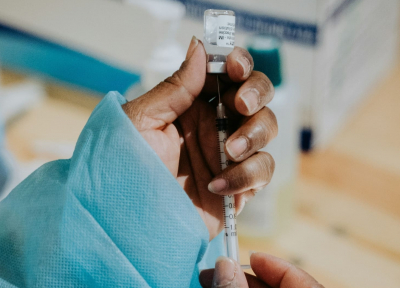
Vaccines are one of the most important advances in the history of medicine, preventing millions of deaths from infectious diseases every year. Choosing to be vaccinated protects you and the community around you through a concept called ‘community immunity.’ The more people who are vaccinated, the greater the shield of protection around you, your family members, the people you live with, and the people who attend your school. This additional ‘shield’ of protection also helps to protect people in your community who are immunocompromised or cannot be vaccinated due to age or certain health conditions.
In a school setting, community immunity is especially important. Not every student is able to receive every vaccine. Some children have medical conditions, such as certain immune disorders or ongoing treatments like chemotherapy, that weaken the immune system and make vaccination unsafe. When most individuals in a school are vaccinated, it becomes much harder for an illness to gain a foothold and spread, effectively building a protective barrier around vulnerable members of the community.
There’s also an important ripple effect beyond the classroom. Children are part of families and communities that extend far beyond school grounds. When a contagious disease spreads within a school, it can reach siblings, parents, grandparents, and others in the community. By maintaining strong vaccination coverage and community immunity in schools, we help prevent these wider chains of transmission. Individual vaccination and community immunity keep communities safe from infectious disease.
What is the importance of school vaccine requirements?
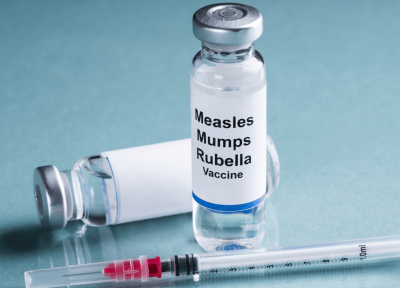
High vaccination rates in schools have a clear, practical impact: fewer outbreaks and less disruption to learning. While diseases like influenza, measles and whooping cough are highly contagious, they are also preventable. When vaccination coverage drops below a certain threshold, outbreaks can emerge, leading to student absences, increased stress for families and educators, and school closures if extreme. Conversely, when vaccination rates are high, schools can remain stable, predictable environments where students can focus on learning rather than illness.
School vaccine requirements play a key role in achieving and maintaining these high vaccination rates. These policies are designed based on decades of scientific evidence showing that vaccines are safe, effective, and essential for public health. They provide a consistent framework that helps ensure most students are protected before entering shared environments. Importantly, these requirements are not about limiting individual choice but about balancing individual actions with collective responsibility. In shared spaces like schools, those decisions affect everyone.
How does community immunity help kids thrive?
Ultimately, community immunity is about preventing disease and creating an environment where children can thrive. Healthy students attend school regularly, engage in learning, and participate fully in school-related activities. High vaccination rates that uphold community immunity allow for parents and guardians to go to work with confidence and educators to focus on teaching. The result is a stronger, more resilient community.
By supporting vaccination and understanding the importance of community immunity, we help ensure that schools remain places where every child has the opportunity to learn, grow, and stay healthy together.
Dr. Pugh Bernard is an Associate Professor of Immunology & Microbiology at the University of Colorado Anschutz School of Medicine.