What is Leishmaniasis?
Most people know that some bug bites can result in different diseases. For example, mosquito bites can lead to malaria, and tick bites can result in Lyme disease. Another bug-borne disease called leishmaniasis gets a lot less recognition, even though 12 million people are at risk of the infection globally. Leishmaniasis is a parasitic infection that affects a large portion of the globe, with over one million new cases reported every year.
How do people get Leishmaniasis?
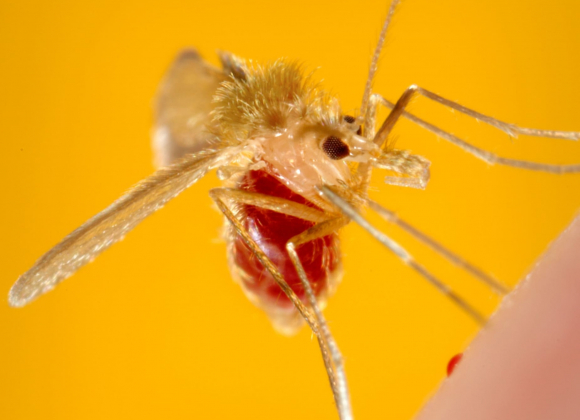
People become infected with leishmaniasis after being bitten by sand flies carrying the parasite. Similar to how mosquitoes carry the parasite that causes malaria, sand flies carry Leishmania parasites and transmit them after biting someone. Once Leishmania enter the body, our immune system rapidly send immune cells known as phagocytes, or “eating cells,” to quickly gobble up the parasites.
Typically phagocytes easily kill germs to help clear an infection. However, it is common for germs to develop their own defenses against phagocytes, and Leishmania is no exception. Leishmania parasites have become particularly good at surviving in a type of phagocyte called macrophages.
Macrophages are a type of long-lived phagocyte that lives in our body. They constantly monitor for intruding germs, as well as clean up cellular waste. Once inside of a macrophage, Leishmania is rounded up into a phagosome. The phagosome is part of the macrophage that is used to kill germs. Within the phagosome, Leishmania starts to replicate. Over time, the parasite population in the body grows and depending which species of Leishmania is present, the result can be one of three different forms of disease: cutaneous, mucocutaneous, and visceral.
What is the difference between the three kinds of leishmaniasis?
The most common form of leishmaniasis is called cutaneous leishmaniasis (CL), which affects the skin. During CL, ulcers form at the site of the bite. The mucocutaneous form of disease (MCL) is when the infection starts to affect mucous membranes, such as those in the nose or mouth. The third and deadliest form is visceral leishmaniasis (VL). VL is where the infection has become widespread throughout the body, resulting in dangerous enlargement of the spleen and liver. Which form of the disease a person develops is highly linked to both the species of Leishmania they are infected with, and the health of the person infected.
Where do cases of Leishmaniasis occur?
Areas where cases of leishmaniasis are regularly reported are called endemic. These endemic areas are present across the globe including Europe, Asia, Africa (old world) and the Americas (new world). Old world and new world endemic regions have different species of Leishmania. CL is common in both the old and new world, though caused by different species in each region. MCL is rare in the old world but commonly occurs in new world Leishmania infections. VL is more common in regions of the old world including, areas in East Africa and India. These differences are important to highlight because they affect diagnosis and treatment for patients.
How Immunology Research Can Help
There is a critical need for more effective and accessible treatments for leishmaniasis patients. While there are currently no vaccines for leishmaniasis, researchers are trying to develop one.
Current treatments for leishmaniasis can have harsh side effects, as well as be expensive and difficult to access in many endemic regions. Plus, parasites are growing more resistant to current drugs in use. Immunology research can help develop new treatments. How the disease shows up is highly linked to the kind of immune response the body launches. Most immune cell participating in the response to Leishmania infection contribute to making the disease better. However, sometimes overactive immune responses can actually make it worse. Researchers are working to better understand how the immune system affects leishmaniasis with the hopes of creating more effective treatments and vaccines for the disease.
Leishmaniasis is an example of how immunology research can improve our understanding of all diseases, especially those that often get less attention.
Hanna Paton is earning her PhD in immunology under Dr. Prajwal Gurung at the University of Iowa.