Most people think of food allergies as reactions to specific food proteins–like peanuts, shellfish, or milk. But one growing and unusual food allergy breaks that rule. It targets a sugar molecule called alpha-gal. This condition, a red meat allergy known as alpha-gal syndrome, can make a person suddenly allergic to beef, pork, lamb, dairy products, and even certain medications. In severe cases, these reactions can be life-threatening. What makes this syndrome even more remarkable is that it is triggered by tick bites.
What is Alpha-Gal Syndrome?
Alpha-gal – short for galactose-a-1,3-galactose – is a sugar found on the cells of nearly all mammals except humans. Because our bodies do not make alpha-gal, the immune system normally sees it harmless. As a result, most people can eat red meat or consume products derived from mammals without any problems.
Alpha-gal syndrome develops when the immune system begins producing a particular type of allergy antibody, IgE, against the alpha-gal sugar. Once IgE is present, even small exposures to alpha-gal can trigger symptoms. These may include hives, abdominal pain, nausea, or even anaphylaxis, a potentially life-threatening allergic reaction. Unlike most food allergies, symptoms of alpha-gal syndrome often appear 3-6 hours after eating, making the condition especially challenging to identify.
Diagnosis relies on several pieces of information: a history of delayed allergic reactions after eating red meat, a blood test that detects alpha-gal-specific IgE antibodies, and improvement in symptoms when foods and products containing alpha-gal are avoided. Because the allergen is a sugar rather than a protein and because the reaction is delayed, many individuals go months or even years without an accurate diagnosis.
What Causes Alpha-Gal Syndrome?
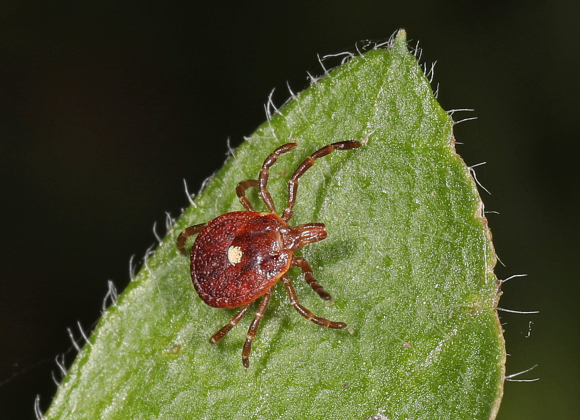
Alpha-gal syndrome is caused by tick bites, most commonly from the lone star tick in the United States. During the bite, substances in tick saliva including alpha-gal and other immune-modifying molecules can shift the immune system toward making IgE antibodies against the alpha-gal sugar. Instead of ignoring alpha-gal, the immune system begins treating it as a threat. This process involves a coordinated response between several immune cell types.
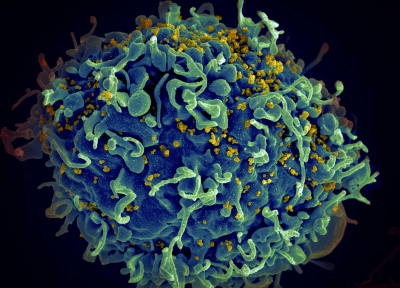
After the tick bite, immune signals activate B cells, the cells responsible for making antibodies. These B cells then switch from producing their usual antibody types to producing IgE specifically targeting alpha-gal. Once this happens, alpha-gal becomes an allergen, and exposures through food or certain medications can trigger allergic reactions.
Cases of alpha-gal syndrome are rising as the range of the lone star tick expands. The syndrome has also been reported globally in Europe, Asia, and Australia, where different tick species can cause the same pattern of sensitization to alpha-gal. Although no cure exists, alpha-gal syndrome can be managed by avoiding foods and medications containing mammalian-derived ingredients, preventing further tick bites, and working closely with an allergist.
How Immunology Research Can Help
Alpha-gal syndrome is the first recognized allergy that arises from a tick bite rather than an infection, making it a unique model for understanding how environmental exposures can reprogram the immune system. Tick saliva contains biologically active molecules that can shift immune signals right at the bite site in the skin, but why only some people go on to make IgE antibodies to alpha-gal and why symptoms vary so widely from person to person remains an important question.
Researchers are working to understand how tick bites influence the early immune response that shapes antibody production. My research group is specifically focused on the immune pathways that drive B cells to produce alpha-gal-specific IgE, and on identifying biomarkers that can pinpoint individuals at highest risk for severe reactions. By mapping the steps that lead to IgE production, we hope to uncover therapeutic targets that could block or even reverse allergic sensitization to alpha-gal. The long-term goal is to move beyond treating symptoms once they occur. Advances in immunology may ultimately lead to ways to prevent the body from reacting to alpha-gal as if it were a threat, as well as more precise diagnostic tools for people with alpha-gal syndrome.
Dr. Erickson is an Associate Professor of Microbiology, Immunology, and Cancer Biology at the University of Virginia.
Image by Judy Gallagher, Creative Commons