In 2024, over 100 people in Kansas had a run in with tuberculosis (TB), a bacterial disease that just 75 years ago would have landed them in a sanitorium. Fortunately, most are healthy now thanks to antibiotics that cured their TB. However, some people who get TB are not so lucky; the TB they’re infected with is resistant to antibiotics.
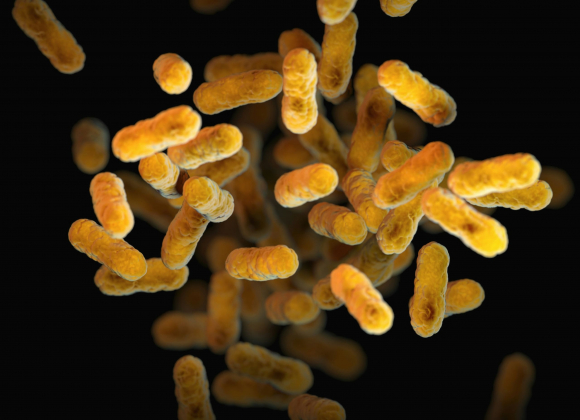
Traditionally, antibiotics are effective at killing or inhibiting the growth of bacteria, but antibiotic resistance renders one of the most powerful treatments we have in the war against infections useless. As more bacteria develop resistance to antibiotics, healthcare providers are running out of ways to treat patients. The impact is incalculable because antibiotics are used to treat infections like TB, but also during routine surgeries, and even for cancer patients undergoing chemotherapy. Bacteria develop antibiotic resistance for many reasons including people stopping their antibiotic prescriptions early, taking them when they are not needed, and overuse in food production. Bacterial resistance to antibiotics is a global threat.
What Can Be Done About Antimicrobial Resistance?
We must use available antibiotics wisely to reduce development of new antibiotic resistance. Antibiotics don’t work on viruses and they should not be prescribed for these types of infections. The World Health Organization has developed an Antibiotic Stewardship guide for both providers and patients to educate everyone on the importance of patients receiving the most appropriate medication to treat their infections and finishing the entire prescription.
Scientists must continually innovate and develop new antibiotics to stay one step ahead of ever-evolving bacteria. However, it’s a constant race—each time a new drug is introduced, bacteria can adapt and develop resistance, making the battle against infection an ongoing challenge.
Alternatives to Antibiotics
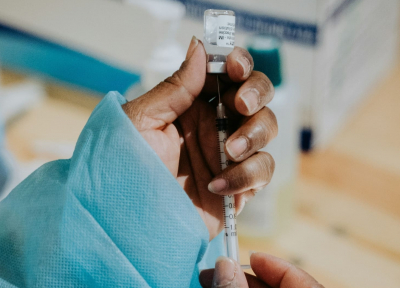
We must also find alternatives to antibiotics. Vaccines, which prevent rather than treat disease, are being developed for some bacteria like methicillin-resistant Staphylococcus aureus (MRSA) that have already become resistant to some of our most powerful antibiotics. If successful, these vaccines may eliminate the need for antibiotics altogether, at least for certain diseases.
Lastly, we can harness the power of our body’s immune defenses in new ways. For example, immuno-antibiotics simultaneously strengthen the immune response (immuno) and weaken the bacteria (antibiotics). Other strategies focus on strengthening existing immune defenses against bacteria by enhancing the ability of an immune cell, called a macrophage, to eliminate pathogens like TB. Scientists have even found ways to use viruses that infect bacteria, and not humans, to destroy bacteria.
What is the Future of Antibiotic Resistance?
The future of fighting antibiotic-resistant bacteria lies in the power of scientific innovation. Cutting-edge approaches like immune-based therapies, next-generation vaccines, and precision-targeted treatments are opening new possibilities in the battle against antibiotic resistant pathogens. These innovations place the immune system at the center of tomorrow’s solutions. But to turn these solutions into reality, we need consistent funding in research—both into the infectious diseases that threaten us and the immune system that defends us. With sustained investment, novel immunotherapies and engineered immune cells will be part of the future arsenal that clinicians can use to combat pathogens and diseases that have long evaded traditional treatments.
Dr. Pugh Bernard, Dr. Leifer, and Dr. James are members of The American Association of Immunologists Public Communications Committee.