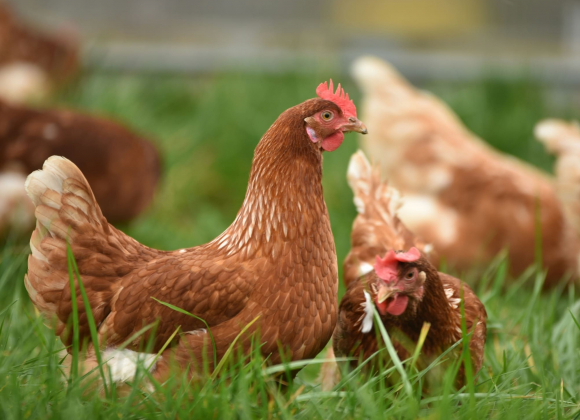
Inside a chicken’s gut, there’s a constant buzz of activity. As feed makes its way through the intestine, billions of microbes get to work—competing, cooperating, and communicating with each other and with their host. Meanwhile, the chicken’s immune system stands guard, sorting friend from foe in real time. This invisible daily dance shapes the bird’s health, and has direct consequences for food safety and, ultimately, human health.
What Lives in the Chicken Gut?
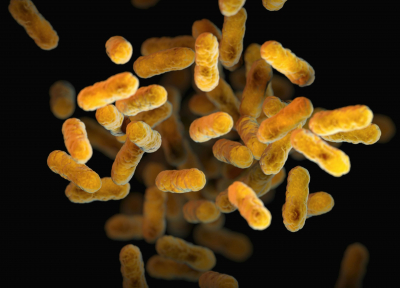
The chicken gut is home to a diverse community of microorganisms known as the gut microbiota. This community includes beneficial bacteria that support digestion and nutrient absorption, as well as potentially harmful bacteria. Among these harmful bacteria are zoonotic pathogens such as Salmonella and Campylobacter.
In many cases, chickens carrying these pathogens do not show signs of illness. The bacteria can quietly colonize the intestine without causing obvious disease. However, there is a risk that the bacteria could be transmitted to people consuming contaminated meat.This makes the gut not just a digestive organ, but a critical control point for foodborne pathogens.
A Constant Conversation with the Immune System
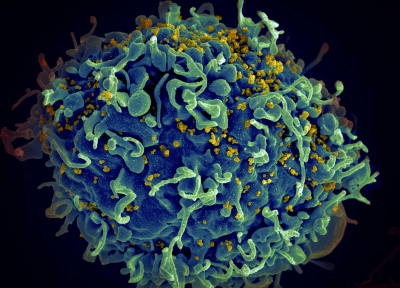
Inside the intestine, the immune system is continuously engaged. Specialized cells lining the gut act as both a physical barrier and a sensing system, detecting and responding to microbial signals. Beneath this layer, immune cells are positioned to respond quickly when needed. However, the challenge for the immune system is balance, it must tolerate beneficial microbes that contribute to normal gut function while remaining ready to respond to harmful invaders. This requires constant communication between microbes and immune cells.
Microbial signals can influence how immune cells signal inflammation, produce molecules to fight bacteria, or tolerate certain bacteria. Over time, these interactions help shape the overall immune environment of the gut.
How do Antibiotics Affect Poultry?
For many years, antibiotics have been used in poultry production to control bacterial infections. While effective in targeting harmful bacteria, antibiotics do not act selectively, they can disrupt the broader microbial community in the gut, including healthy gut bacteria. This alters the balance between beneficial and harmful microbes. In some cases, it may create conditions that allow certain pathogens to persist or re-emerge.
More importantly, repeated exposure to antibiotics can contribute to the development of antimicrobial resistance, where bacteria evolve the ability to survive treatments that once eliminated them. As concerns about resistance grow, there is increasing interest in reducing routine antibiotic use and identifying alternative strategies.
What is the role of Probiotics?
Probiotics are friendly bacteria that can help keep chickens healthy from the inside out. Instead of relying on antibiotics, researchers are looking at whether these helpful microbes can do some of the same protective work. Once in the gut, probiotics act like tiny bodyguards: they crowd out harmful germs, reinforce the gut’s protective lining, coach the immune system on when to react and when to stay calm, and even release their own germ‑killing compounds. The result is a healthier bird and fewer opportunities for dangerous microbes to take hold.
Why Does This Matters Beyond the Farm?
The events taking place in the chicken gut have direct implications for human health. When pathogen levels are reduced in poultry, the likelihood of contamination during processing and food preparation decreases, lowering the risk of foodborne illness. At the same time, reducing antibiotic use in agriculture helps slow the spread of antimicrobial resistance.
These connections are part of a broader “One Health” perspective, which recognizes that human, animal, and environmental health are closely linked. Interventions at the level of food production can have meaningful effects across all three areas.
Looking Ahead
Research continues to explore how best to support gut health and immune function in poultry without relying on antibiotics. Not all probiotics behave the same way, and their effectiveness can depend on factors such as strain, dosage, and environmental conditions. Current work is focused on understanding how specific microbes interact with the immune system and identifying combinations that consistently reduce pathogen colonization.
Linking microbial activity to measurable immune outcomes helps to design more targeted and reliable strategies. By understanding the daily interactions between microbes and immunity, researchers are working toward solutions that improve animal health, enhance food safety, and protect public health.
Oluwaseun Adeyemi is earning her PhD in food and animal science under Dr. Samuel N. Nahashon at Tennessee State University, Nashville, TN.